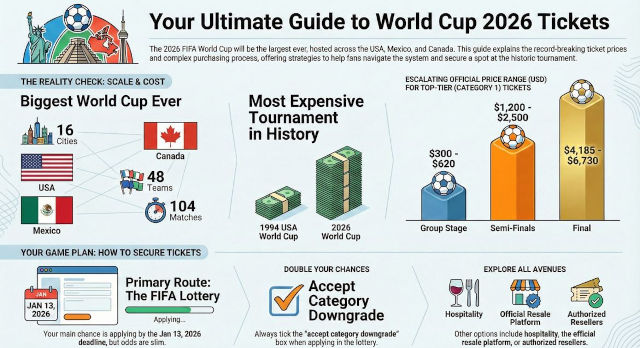
The FIFA World Cup is set to return to North America in 2026, but this time it promises to bring a fresh experience. The tournament will commence on June 11th at Estadio Azteca, marking what could be the most extensive World Cup in history with 48 teams, 104 matches, and events held across three host nations and 16 cities.
The nostalgia of the 1994 World Cup still lingers, with fond memories of vibrant uniforms and packed indoor stadiums leading to record attendance and Brazil’s triumphant return. Fast forward thirty years, and the stakes are much higher with advanced infrastructure, and ticket prices that have reached astronomical heights. For instance, a Category 1 seat for the final at MetLife Stadium is priced at approximately $6,730, making it the priciest World Cup yet.
Yet, amidst high commercialization, there’s excitement that the grandest football show will unfold in venues designed for American football, in cities where passionate fan bases have nurtured their own soccer cultures. From the loyal Sounders supporters in Seattle to the record turnouts in Atlanta’s Mercedes-Benz Stadium, this World Cup will be a trial to see if soccer can truly thrive in the U.S. sports landscape.
Logistically, spanning three time zones with cities that are far apart presents unique challenges. The U.S. will host 78 out of the 104 games, while Mexico and Canada will host the remainder. This creates a chance for international fans to explore various U.S. cities, but the ballooning costs and lengthy travels might deter some.
In light of these complexities, guides on navigating FIFA’s ticketing systems and understanding pricing structures are essential for fans. With the current lottery system, casual supporters and die-hard fans have equal footing, making it a challenging pursuit to grab those coveted tickets.
Purchasing options include the lottery system, early presales for specific credit card holders, and hospitality packages that provide an all-inclusive experience but at a steep premium. Resale markets are another avenue but come with the risk of inflated prices and potential counterfeits. Ideally, platforms that offer verified tickets, such as TicketCenter.com, could offer a safer alternative.
FIFA has structured ticket pricing into categories based on seat location, leading to situations where more expensive seats might not always provide the best views. The ticket prices alone tell a striking story—compared to previous tournaments, the 2026 World Cup has seen drastic increases, with the lowest prices jumping 140% from 1994’s figures.
As for the host cities, they reflect a diverse tapestry of American culture and soccer enthusiasm. Locations like New York/New Jersey will host the final at MetLife Stadium, and cities like Los Angeles and Dallas boast impressive venues designed for soaking up the atmosphere.
In sum, the 2026 FIFA World Cup represents both a significant logistical undertaking and an unparalleled opportunity for soccer fans. As enthusiasm builds, fans must prepare to navigate ticketing hurdles, financial commitments, and travel logistics to witness this momentous event.
Fan Take: The anticipation surrounding the 2026 World Cup is a testament to soccer’s growing influence in North America, where fans are eager to embrace the sport on a grand stage. This tournament not only offers an unforgettable experience but also signifies a pivotal moment for soccer’s future in the U.S., potentially solidifying its status in a competitive sports market.