

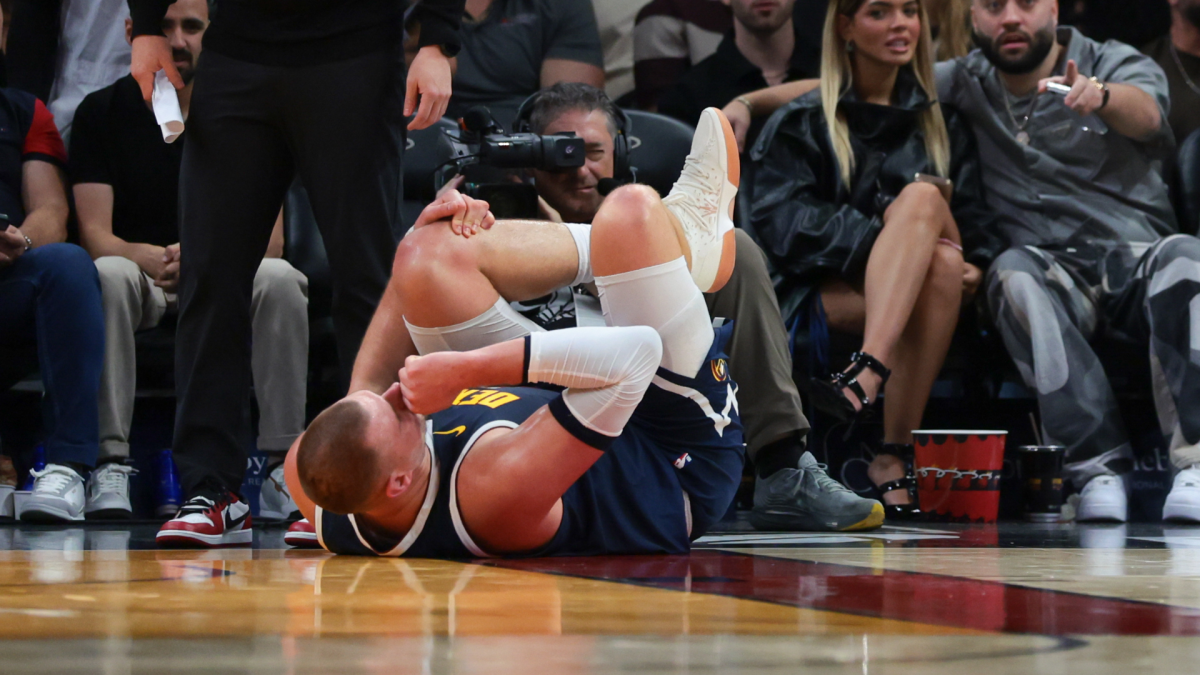
Nikola Jokic’s hyperextended knee injury didn’t remove him from MVP contention in any reasonable scenario, especially since Shai Gilgeous-Alexander was already performing at a comparable level. Typically, if two players are close in performance and one is sidelined for over a month due to injury, the healthier player usually wins, making explicit rules unnecessary. However, in 2023, the NBA implemented a new minimum of 65 games to qualify for major honors like MVP. Although Jokic’s injury may already have ended his chance at the award, the fact that he’s projected to barely clear this game minimum rule has drawn attention, even though history shows players missing significant time rarely secure awards.
Only five MVPs have won after playing fewer than 65 games, and four of those were in shortened seasons. Notable players like Karl Malone, LeBron James, Giannis Antetokounmpo, Bob Cousy, and Bill Walton earned MVP titles despite few games played, often under special circumstances. Defensive Player of the Year and Rookie of the Year awards also rarely go to players with fewer than 65 games, although some exceptions exist with Kawhi Leonard and Jaren Jackson receiving All-NBA honors despite limited appearances.
This 65-game rule is most impactful in All-NBA selections. From 2012 to 2023, about 13% of All-NBA spots went to players with fewer than 65 games, particularly in recent seasons, coinciding with the rise of “load management”—the practice of resting players strategically to preserve their health. The NBA introduced the rule mainly to counteract load management and reassure broadcasters and fans that star players would be on the court during televised games. The timing aligns with negotiations for a major TV rights deal, emphasizing the league’s business motives over pure competitive fairness.
Older or injury-prone players have been disproportionately affected, as many of the All-NBA qualifiers with fewer than 65 games were veterans or players with chronic injuries. Medicine advancements now allow players to prolong their careers, but the 65-game rule can pressure players like Tyrese Haliburton to return from injury prematurely, risking long-term damage for short-term reward, as Haliburton himself acknowledged.
The rule also lowers the bar for players who don’t get injured but impacts salary negotiations significantly. All-NBA selections influence contract max salary eligibility, leading some players to rush back from injury for financial reasons. This rule can force teams to pay supermax contracts to players who may not truly warrant them or deny deserving players due to missed games, complicating team dynamics and salary cap management.
Despite some backlash focused on Jokic missing MVP contention because of this rule, the rule’s real implications extend beyond individual awards. It’s a financial safeguard for the league and its broadcast partners, but it may sometimes encourage unhealthy player behaviors. Ultimately, the 65-game rule is about money, not awards, and its future could depend on its financial impact on contracts and broadcasting deals rather than competitive fairness.
Fan Take: This rule highlights the growing tension between player health management and the business side of basketball. While protecting the interests of fans and broadcasters is understandable, enforcing rigid game minimums risks pushing players to prioritize short-term gains over long-term wellbeing, a dilemma that could shape the future of the sport.