

The intense shuffle of coaching positions in Major League Baseball has finally settled down. By now, most teams have revealed their coaching rosters for 2026, following a hectic offseason that saw significant changes across the league.
While new managerial hires often steal the spotlight—eight teams welcomed new managers this offseason—there are several intriguing coaching moves worth noting.
Don Mattingly is expected to join the Philadelphia Phillies as bench coach, a move that hasn’t been officially announced but is widely reported. Mattingly, a six-time All-Star and former manager of the and Marlins, spent the last three seasons as Toronto’s bench coach. His time with the Blue Jays included his first World Series appearance, earning him well-deserved recognition. In 2026, he’ll be one of two fresh faces on the Phillies’ staff, working alongside assistant hitting coach Edward Gonzalez and alongside his son, Preston Mattingly, the team’s general manager. His experience and respected voice are expected to greatly benefit the veteran-heavy Phillies roster.
Kai Correa, after two years with the Cleveland Guardians, is stepping into the role of bench coach for the New York Mets under new manager Carlos Mendoza. Correa is highly regarded for his expertise in infield defense, positioning, and fundamentals and previously held a unique title focusing on defense, strategy, and baserunning for Cleveland. With the Mets eager to improve their base running defense after a challenging 2025, Correa fits their rebuilding goals. The Mets have undergone a major coaching overhaul, with only three coaches from last year’s staff retained by president of baseball operations David Stearns.
Andy McKay replaces Correa as Cleveland’s MLB field coordinator. Though new to a major league dugout role, McKay brings over a decade of baseball experience, including time as the Mariners’ assistant GM and director of player development. He also boasts an extensive coaching background in college baseball, making the jump to MLB a notable career milestone.
Jeremy Hefner, once a key figure on the Mets’ pitching staff, was released after a disappointing season. He has now been hired by the Atlanta Braves as pitching coach, tasked with revitalizing the team’s rotation and supporting new manager Walt Weiss. Most of the former Braves coaching staff left with the previous season’s end, leaving Hefner as a key new addition.
Aron Reichman faces the difficult task of addressing the pitching challenges at Coors Field as the new pitching coach for the Colorado Rockies. Born in Israel and with a diverse baseball background that includes Olympic competition, he spent the last two seasons working with the Miami Marlins on pitching development.
Simon Matthews, the new pitching coach for the Washington Nationals, is part of the team’s youthful front office and coaching rebuild. At just 30 years old and fluent in Spanish, Matthews brings a fresh, modern perspective to a Nationals staff in transition, working alongside the few remaining voices from last season.
Brady Anderson joins the Los Angeles Angels as hitting coach in his first coaching role since retiring as a player. Known for his 1996 season with 50 home runs, Anderson’s hire is a curious one given his lack of coaching experience, making him a wildcard under first-year manager Kurt Suzuki.
Derek Chaumont returns home to the Chicago White Sox as hitting coach. A local fan who coached in Miami last year, Chaumont’s main job will be to develop Munetaka Murakami, whose underwhelming trade price and swing issues have caused skepticism. He will work closely with hitting manager Ryan Fuller to prove the investment worthwhile.
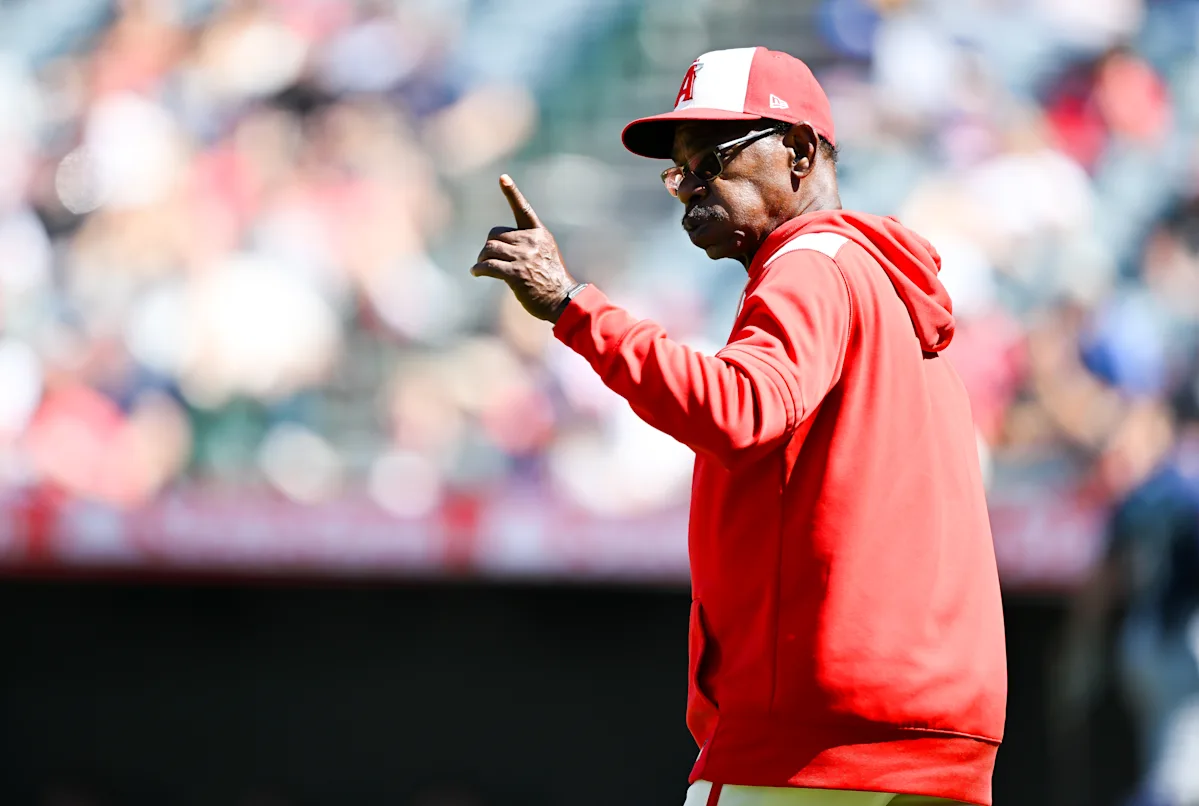
Finally, Ron Washington joins the San Francisco Giants as infield coach, reuniting with Tony Vitello, the team’s surprising new manager. Washington, known for his colorful personality and recently recovered from a medical leave, adds a veteran presence to the staff, which includes former managers and experienced assistants.
Fan Take: These coaching moves signal fresh strategies and renewed energy across MLB, reflecting teams’ evolving approaches to player development and game management. For baseball fans, these changes could mean more exciting, disciplined play and the emergence of new stars guided by innovative minds.