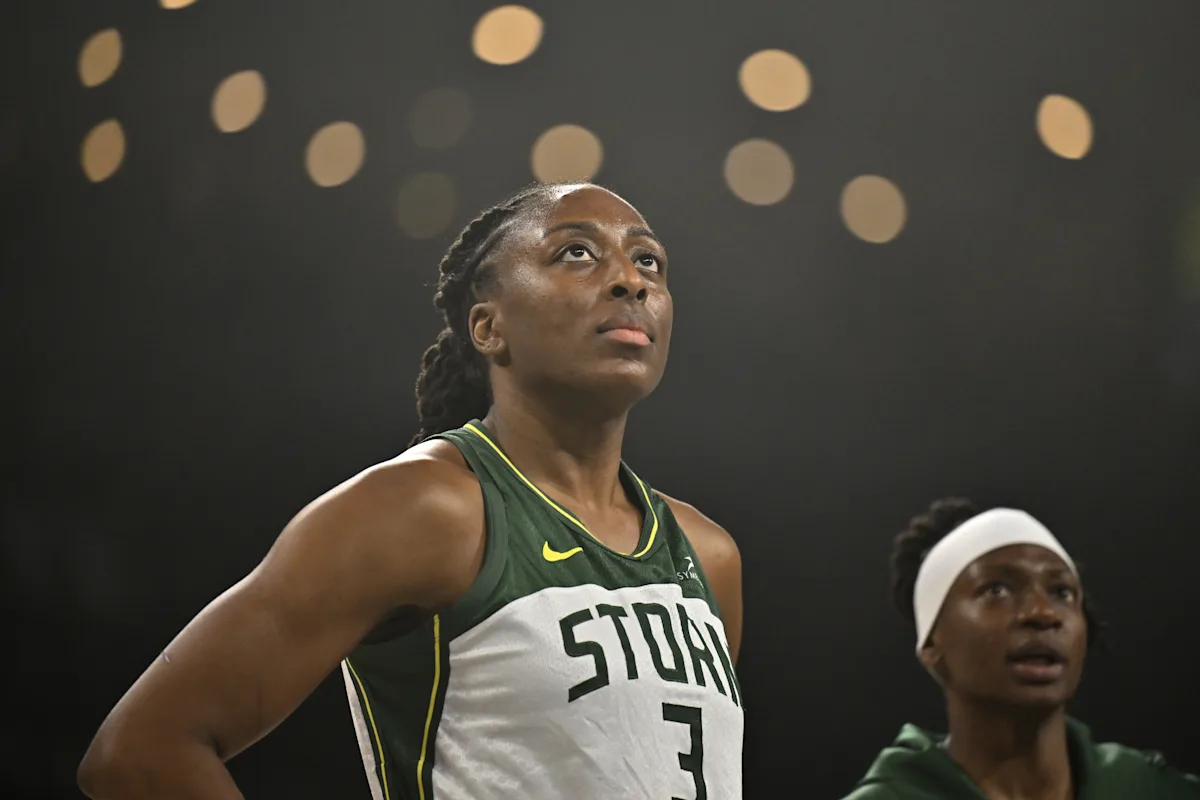
Nneka Ogwumike, a ten-time WNBA All-Star and one of the top talents in women’s basketball, has become just as well-known for her off-court leadership as for her athletic achievements. Since 2016, Ogwumike has served as president of the WNBA Players Association and has been leading the offseason talks for a new collective bargaining agreement (CBA), negotiations that might extend into the start of the season, which is set to begin on May 8.
Currently, players and team owners are at an impasse on key issues like revenue sharing and housing. With the league entering a historic phase, highlighted by its most celebrated seasons and the addition of two new professional teams this spring, Ogwumike emphasized the significance of this moment. Speaking at the LPGA Women’s Leadership Summit in Orlando, she reflected, “This is not casual by any means. We’re in a historic moment, and it’s incredible to be part of the league’s growth and to negotiate our value as the league’s worth is rising. Being part of the foundation that shapes what the WNBA is and what it can become is truly phenomenal.”
Throughout the negotiations, Ogwumike has prioritized maintaining her playing career, balancing hours of daily training with her responsibilities as WNBPA president. She spends three to four hours every morning working out before diving into intense discussions and communications about the CBA with staff, the players’ council, and individual players. Fortunately, she’s not managing this alone; the union’s leadership team includes players like Kelsey Plum, Elizabeth Williams, Brianna Turner, Alisha Clark, Napheesa Collier, and Breanna Stewart. Past experience from the 2020 negotiations also strengthens her approach.
“I’m not doing this solo,” Ogwumike stated. “Entering my second round of negotiations as president, I’m better able to offer support and understand the purpose behind what I do.” Balancing training with union duties remains challenging, but she has learned to set boundaries, limiting direct access to only a few trusted contacts to avoid burnout. Despite this, Ogwumike places a high priority on maintaining open lines of communication with the league’s 140-plus players—something she admits is the most demanding part of her role. “I want every player to feel like they can reach out to me, even if I can’t develop close relationships with each one,” she said, acknowledging the time and effort that requires.
When discussing the state of the CBA talks, Ogwumike expressed confidence and unity among the players. “We’re showing incredible perseverance. We’re aligned on our priorities and our message,” she said. While they stand firm on critical issues, they continue to negotiate in good faith. Ogwumike made it clear that securing a deal quickly is desirable but emphasized the importance of getting a quality agreement over simply meeting deadlines. “We want to be recognized for our value on the court. That’s the heart of these negotiations.”
Though she carries significant responsibility, Ogwumike is filled with gratitude for the opportunity to shape the future of the league alongside her fellow players. She remains optimistic about reaching a resolution soon, stating, “We play in a league where everyone is involved. We’re building the league we’ve dreamed of, and while it’s a big task, it’s motivating, inspiring, and fueled by dedication. With such phenomenal women around me every day, I’m excited for the historic moments ahead.”
Fan Take: This ongoing CBA negotiation is critical for WNBA fans because it directly impacts the league’s growth, player welfare, and the quality of the game on the court. Ogwumike’s leadership signals a powerful commitment to advancing women’s basketball, potentially setting the stage for bigger plays—both in terms of the sport and players’ rights—making this a pivotal moment for the future of the WNBA.