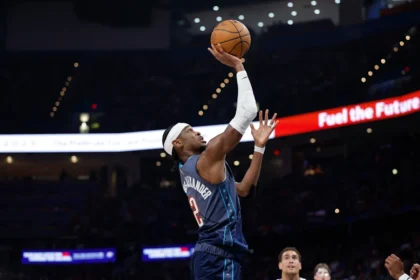
The roster for the 2026 NBA All-Star Game has been finalized, and it’s set to be more complex than ever before. This year’s event adopts a USA versus World format featuring three teams, each with eight players, competing in 12-minute games. In each round, all three teams—two representing the U.S. and one representing the World—face off, with the top two squads moving on to a championship match based on their point totals in the initial round.
If that sounds confusing, you’re not alone—it almost makes the traditional East vs. West format seem simpler. However, due to the declining effort and enthusiasm shown in recent All-Star Games, the NBA felt compelled to revamp the format radically to preserve the event’s excitement and reputation.
The player lineup is locked in, pending any replacements by commissioner Adam Silver for injured stars like Giannis Antetokounmpo. With only 24 available spots, some deserving players inevitably missed out. Below, the players who were eligible but left off the roster are ranked according to how much they deserved an All-Star nod this season:
Julius Randle, Forward, Minnesota Timberwolves: Debating between Brandon Ingram and Lauri Markkanen, Randle ultimately edged them out. Minnesota sits at a strong 31-10 record, and Randle is enjoying a stellar campaign, averaging 22.3 points, 6.9 rebounds, and 5.4 assists per game, while boasting a 60.1% shooting efficiency. His three-point shooting at 33.5% wasn’t quite enough to secure a spot, but his exceptional playmaking—registering a 24% assist rate—puts him in the top 9% of Estimated Plus-Minus (EPM). Despite missing out, Randle has had an impressive year.
James Harden, Guard, Los Angeles Clippers: At 36, Harden continues to deliver high-level performances with averages of 25.4 points, 4.8 rebounds, and 8.1 assists on an improving Clippers team. His shooting efficiency remains strong at 60%, and he maintains his reputation as a top playmaker with a 35.9% assist rate, ranking him in the 97th percentile. If the Clippers hadn’t struggled early in the season, Harden might have been an All-Star again.
Joel Embiid, Center, Philadelphia 76ers: Recently hitting his stride, Embiid has made the 76ers a serious contender in the East. Though limited to 28 games this season, he averages 26.2 points, 7.5 rebounds, and 3.9 assists with a 60% shooting rate. While he hasn’t fully regained his pre-injury elite status, his return from last season’s downturn to contending for All-Star inclusion is noteworthy. Embiid turns 32 in March, and there could be more All-Star appearances ahead.
Alperen Sengun, Center, Houston Rockets: Sengun presented a strong challenge for a spot over Chet Holmgren, posting 20.9 points, 9.2 rebounds, and 6.3 assists per game on 55.4% shooting. Though less efficient in scoring, he contributes significantly on defense, playmaking, and rebounding. At 23, Sengun is poised to earn more All-Star opportunities in the near future.
Kawhi Leonard, Forward, Los Angeles Clippers: Leonard was expected to sit out the Clippers-hosted All-Star Game due to injury, but his stats this season suggest he could have been a legitimate selection. He’s putting up 27.7 points, 6.1 rebounds, and 3.5 assists per game while shooting 62.8%. His mid-range scoring and 39.5% three-point accuracy remain elite. Leonard arguably had a better season than LeBron James and could have warranted a spot over him.
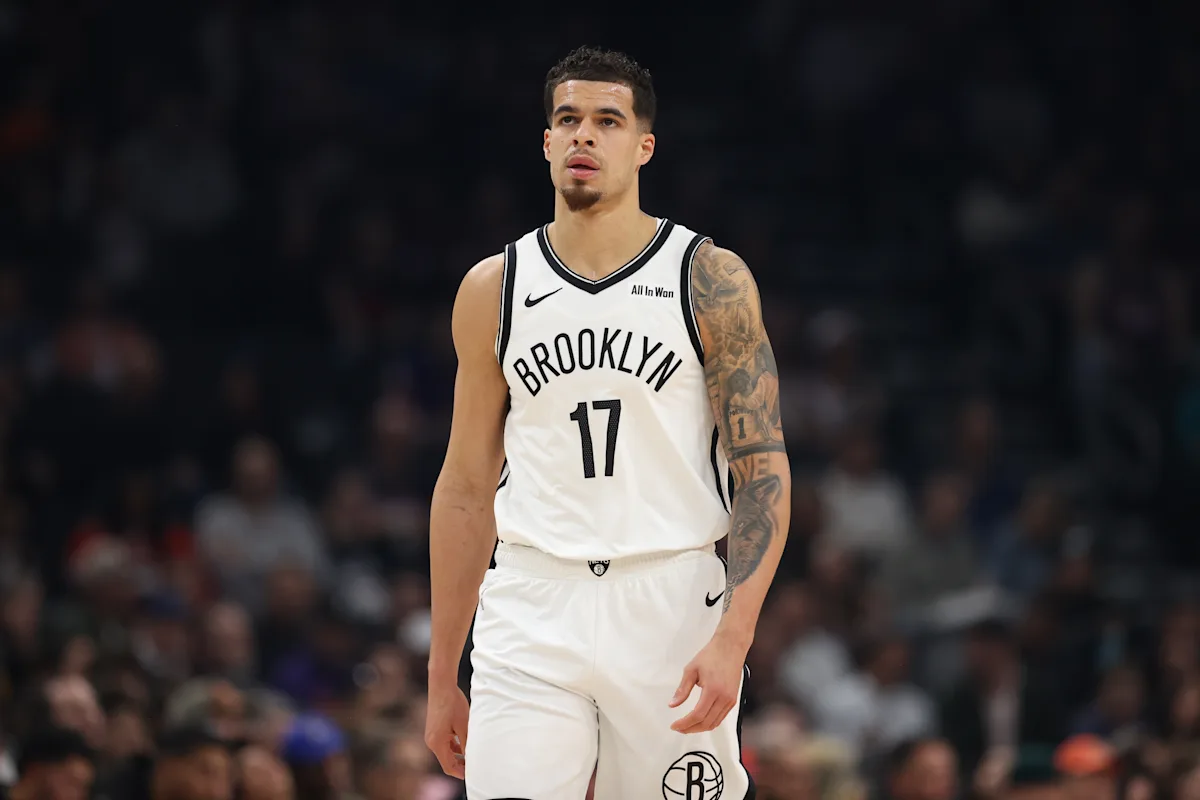
Michael Porter Jr., Forward, Brooklyn Nets: After moving from the Denver Nuggets to the Nets, Porter Jr. became a key player, but Brooklyn’s poor record kept him off the roster. He averages 25.6 points, 7.3 rebounds, and 3.2 assists with an impressive 61.8% shooting efficiency. Utilized more off the ball by coach Jordi Fernandez, Porter Jr. is a primary scoring option, shooting 40% from beyond the arc on nearly 10 attempts per game. He arguably deserved to replace Norm Powell.
Fan Take: This revamped All-Star format and the tough cuts of deserving players highlight the NBA’s ongoing challenge to keep fan interest high amid rising competition and evolving team dynamics. For basketball enthusiasts, the changes signal a new era in how the league showcases its talent, potentially reshaping the sport’s most celebrated mid-season event.