

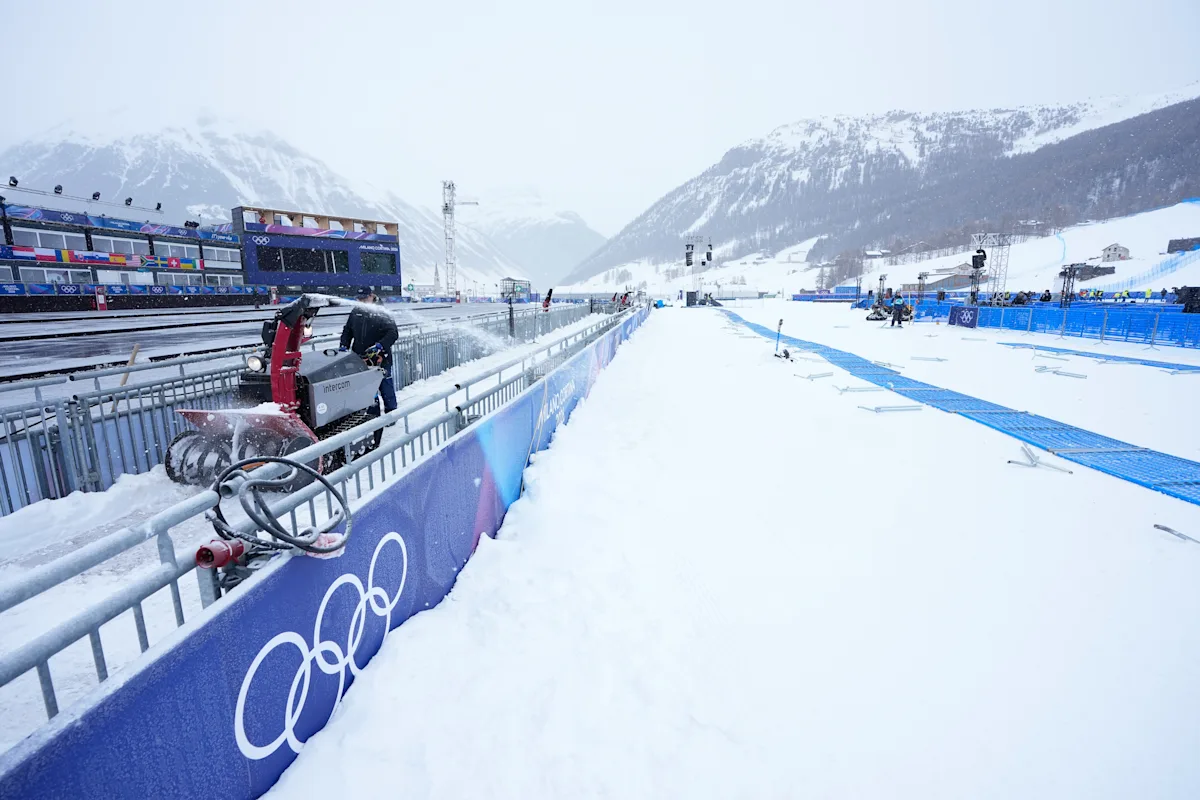
MILAN (AP) — The International Olympic Committee (IOC) announced Wednesday that rising global temperatures could push future Winter Olympics to start as early as January, with the Paralympic Winter Games potentially held in February. Since the 1964 Innsbruck Games, all Winter Olympic medals have been awarded in February, and moving the Games earlier could interfere with major World Cup events and overlap more with the NFL and NBA seasons.
This topic is being examined during Kirsty Coventry’s first year as IOC president, and shifting the Winter Games’ schedule is one of the options under consideration. Karl Stoss, an IOC member responsible for reviewing sports programs, told reporters that holding the Winter Olympics earlier might be necessary, and that the Paralympics could also be moved to January to February.
The upcoming Milan-Cortina Paralympic Winter Games are scheduled for March 6 to 15. Under Thomas Bach, Coventry’s predecessor, the IOC has recognized climate change as a significant challenge when selecting future host locations and organizing the Winter Games.
Stoss, from Austria—a country well-known for alpine skiing and ski jumping—explained, “March is a slow month because the sun’s strength can cause snow to melt.” He suggested that the Paralympics could be held in February with the main Games in January, a possibility that will remain part of ongoing discussions during the IOC’s pre-Olympic meetings in Milan.
Over 100 IOC members are expected to reconvene in June to consider major changes to the Olympics as part of the “Fit For The Future” initiative, which also includes adding new sports and events for the 2030 Winter Olympics in the French Alps. The 2030 Games are currently planned to take place from February 1 to 17, while the 2034 Winter Olympics in Utah are set for February 10 to 26.
___
AP Olympics: https://apnews.com/hub/milan-cortina-2026-Winter-olympics
—
Fan Take: For basketball fans, this potential shift in the Winter Olympics schedule is significant because an earlier Winter Games could lead to increased clashes with the NBA season, possibly affecting player availability and broadcasting schedules. Understanding these changes now helps the basketball world prepare for how international sporting events might impact league rhythms and fan engagement in the coming years.
