
This season, Los Angeles Lakers fans are grappling with two hard realities. The first, recently made clear, is that the 2026 Lakers are not built to win a championship. Despite speculation that the team thinks it performs better in the playoffs than the regular season, the reality is less optimistic. While a healthy Austin Reaves could boost their offense, the Lakers’ defense is ranked 24th in the NBA—a major red flag since solid defense is crucial for championship success. Though there have been rare exceptions where teams won despite poor defense, those instances are rare and typically come with explanations. For example, the 2001 Lakers ranked 22nd defensively but improved steadily and peaked during the playoffs to secure their title.
The phrase “defense wins championships” may be a cliché, but since that 2001 team, every NBA champion has boasted a defense in the league’s top half, which the Lakers currently lack. On this Lakers roster, only Marcus Smart and Jared Vanderbilt can be trusted defensively. A simpler way to see it: it’s February, and the Lakers have a negative net rating, hardly a sign of a championship contender. Evidence of their doubts is seen in their restrained trading strategy during a busy deadline period, making just one low-cost move to acquire Luke Kennard. Although Kennard adds shooting, he hasn’t fixed their defensive problems, and his availability for just a second-round pick speaks volumes. The Lakers only had one second-round pick to trade and one first-round pick during the season.
This connects to the second grim truth: the Lakers’ front office lacks creativity and strategic asset management. Since their 2020 title, aside from the Luka Doncic deal, the franchise has traded away first-round picks in unproductive deals, like those involving Dennis Schroder and Russell Westbrook (whose contract left them with only Jared Vanderbilt remaining). Missed opportunities on young talent—exemplified by overlooked players like Jalen Hood-Schifino and Dalton Knecht as well as the mismanagement of mid-level signings like Montrezl Harrell, Lonnie Walker, and Kendrick Nunn—have also hurt the roster depth. Even promising players like Gabe Vincent and Jordan Goodwin were dealt or waived before making significant impacts, partly due to salary cap challenges.
The Lakers tend to acquire talent based on draft pedigree or past achievements rather than current fit, relying heavily on former lottery picks and veterans with mixed recent performances. Over a year after adding Doncic, they have not secured another long-term starter to complement him effectively. If any strategy exists, it seems focused on acquiring name-brand players for less than their worth rather than building a cohesive, competitive unit. Historically, this short-term approach worked when LeBron James, Anthony Davis, and agent Rich Paul chose the Lakers as a comfortable home, leading to the 2020 championship. However, the modern NBA has evolved, and the best teams operate with more innovation and precision, leaving the Lakers behind.
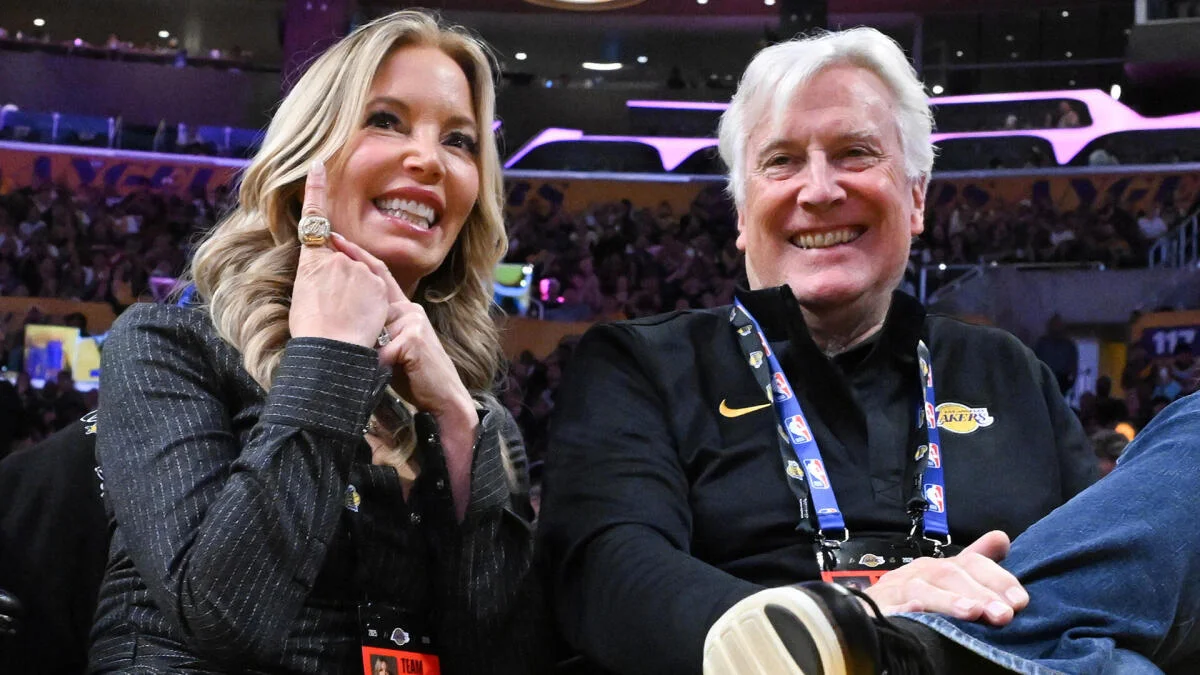
New owner Mark Walter, who also owns the highly successful LA Dodgers, recognizes this need. According to an encouraging report by Dan Woike, the Lakers plan to make extensive front office hires this summer to reshape their leadership, modeling it after the Dodgers’ championship-winning organization. Although details remain unclear, significant changes seem imminent, especially following layoffs in the scouting department, signaling that no current staff member’s job is safe.
This front office transition ties directly to trade deadline decisions. If this is a transitional period with potentially outgoing leadership, preserving valuable assets for incoming management makes sense. The Lakers held one first-round pick to trade this season but could have up to three available in the offseason, along with roughly $50 million in cap space—although this could decrease if they pursue long-term deals like rumored target DeAndre Hunter. Strategic resource allocation is best handled by a stable, capable front office, particularly because the only guaranteed long-term starter is Doncic. Reaves might return, but defensive vulnerabilities remain glaring. Successful title runs depend on versatile wing defenders and rim protection, which the Lakers currently lack. Furthermore, their 3-point shooting is below average, limiting Doncic’s effectiveness.
While three first-round picks and $50 million appear substantial on paper, building a competitive team from scratch can consume these quickly. Some veterans like Smart, LaRavia, and Ayton may remain, but questions about contracts and roles persist. The key point is that the full roster for a Doncic-centered Lakers team is not yet assembled, and handing over critical assets to a potentially departing front office would be unwise. The 2026 Lakers are simply not positioned to contend for a championship at this time. The real beginning of the Luka Doncic era will start after the summertime front office overhaul, marking a fresh chapter for the franchise.
Fan Take: This analysis is crucial for basketball enthusiasts because it underscores that star talent alone cannot secure titles without strong organizational strategy and depth. The Lakers’ impending front office overhaul could signal a major shift in how an iconic franchise adapts to the modern NBA’s demands, potentially influencing team-building trends across the league.