
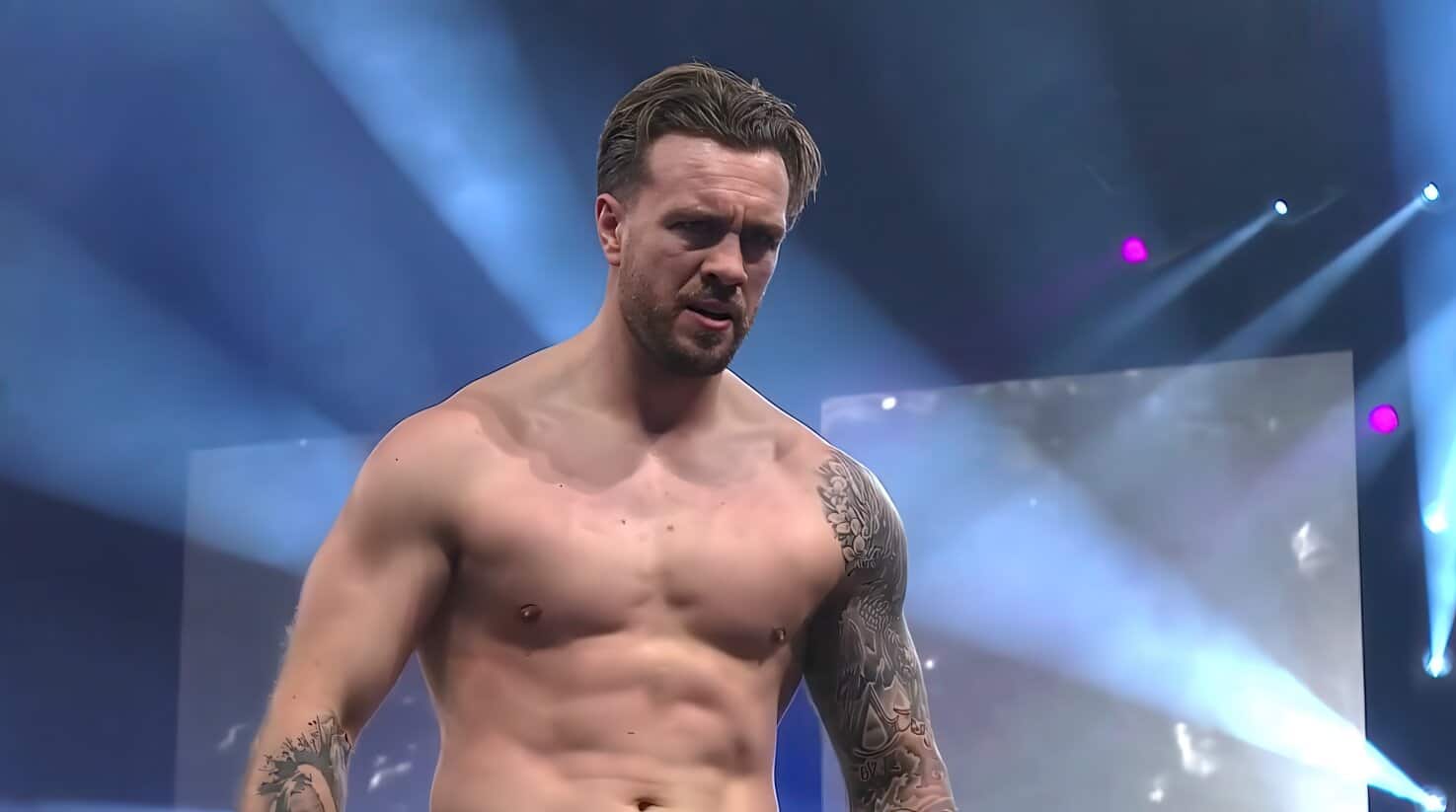
Will Ospreay revealed that he endured intense, 10 out of 10 pain for several months leading up to his neck surgery—an injury that, just a decade ago, would likely have ended his wrestling career. He detailed his experience during an interview with Chris Van Vliet on Insight, reflecting on the year since his operation and soon after his victory over Kenny Omega at Wembley Stadium to claim the AEW World Championship.
Ospreay first noticed symptoms during the Continental Classic but couldn’t quite identify them at the time. “I started feeling strange sensations in my hands—like persistent pins and needles that never went away,” he explained. “Even as we performed high-risk moves like the Spanish fly off the cage, and kept up a non-stop pace in matches, the issue worsened.”
By summer, the condition escalated beyond mere tingling. “At Double or Nothing, the pain was undeniable. After taking a back bump, my arm would totally shut down, spasming so badly I couldn’t lift it,” he recounted. Despite this, he kept competing, including a cage match, admitting he didn’t fully grasp the severity of his injury.
Ospreay finally raised concerns himself at All In Texas and underwent an MRI, where Tony Schiavone delivered the stark news: Ospreay was effectively finished until further treatment. Initially told an epidural might suffice, his surgeon corrected this during a call as Ospreay was at a theme park with his son: he needed surgery due to spinal stenosis caused by two discs compressing his spinal cord.
Ospreay candidly took responsibility for ignoring medical advice and pushing through the pain, which worsened his condition. Before surgery, he feared he might never return to even half his former capability, but the reality has surpassed his expectations. “Honestly, I was shocked. I thought I’d look much worse or even require a wheelchair leaving the hospital. Instead, I walked out unaided and even went on a three-hour walk with my wife along the Jacksonville beach,” he said.
His rehabilitation was slow and mostly private. After about two months, he was cautiously testing himself, even sneaking into indie shows to touch the ropes—one of the trickiest parts since his neck muscles hadn’t regained strength. He praised Adam Copeland for his guidance and support during the recovery process.
What really resonates with Ospreay is the timing of his injury. He stressed that if it had happened ten years ago, his career would likely have been over, which is a frightening thought. “Wrestling has been my identity since I was 14, taking bumps in rings and sometimes just mats in fields. The idea that I could have been finished back then and forgotten is terrifying.”
When reassured he wouldn’t have been forgotten, Ospreay remained unsure. “Wrestling moves fast—it’s like any other Wednesday with a TV show to film. You can’t stay stuck in one moment forever. It’s great to look back, but I have to keep moving forward and finding new emotional connections with fans.”
Currently, Ospreay has minor muscle loss in one arm but nothing near as severe as what others with similar injuries have experienced. He recalled a defining moment of recovery when Jon Moxley called for a power driver during a house show. Ospreay thought he’d lost the ability to perform it, but executing the move reminded him he could still do most of what he once could.
He’s set to defend his AEW World Championship against Moxley at All Out on September 26. The two have met only once before, in a singles match at New Japan’s Windy City Riot in April 2022, which Moxley won.
The timeline is as follows: the injury occurred at Forbidden Door in August 2025 when the Death Riders trapped him in a cage and stretchered him out. He had surgery on September 17 and was medically cleared by February 25. His return match was against Blake Christian at Revolution, followed by a loss to Moxley at Dynasty in April, culminating in him becoming AEW World Champion by late August.
Fan Take: Ospreay’s remarkable comeback from a career-threatening injury highlights the incredible resilience and determination professional wrestlers must have. His journey not only inspires fans but also underscores advancements in medical treatment and rehabilitation that could prolong athletes’ careers, potentially reshaping how injuries are managed in the sport.
Source: wrestlingnews.co