

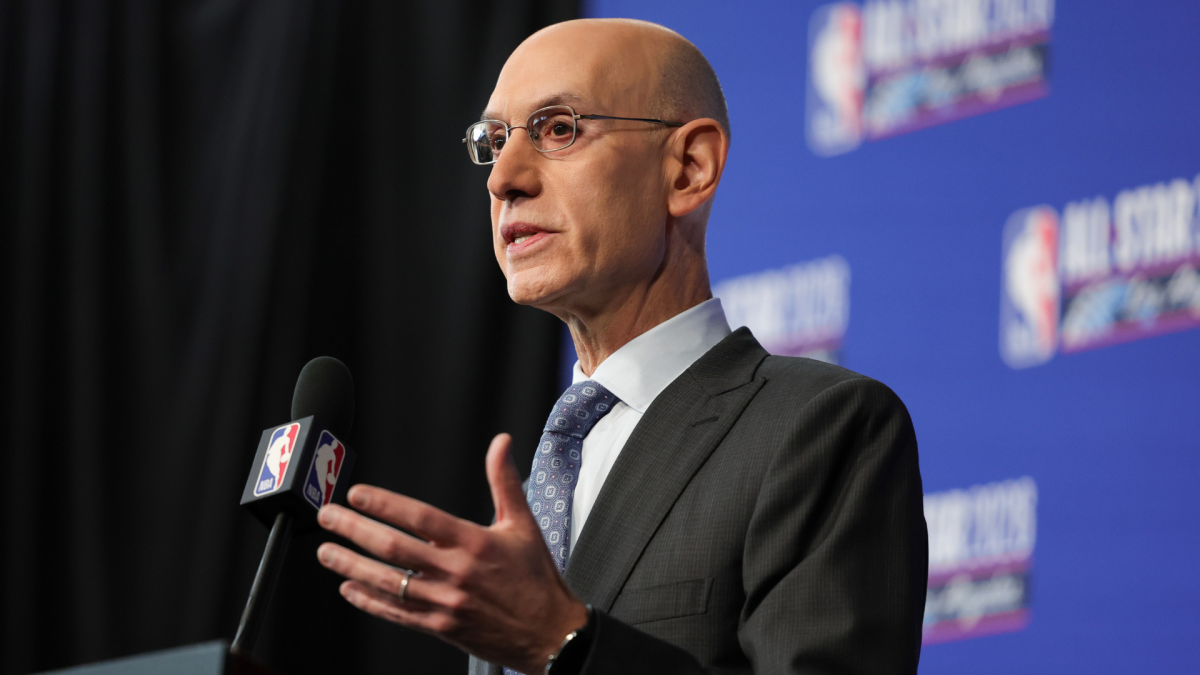
There are differing views on what’s driving the NBA’s spike in early-season injuries and how best to address it, with one proposal from commissioner Adam Silver gaining renewed attention. According to Sports Illustrated’s Chris Mannix on the Open Floor podcast, Silver remains interested in the idea of reducing NBA game length from 48 to 40 minutes—a change he publicly supported in 2025. On The Dan Patrick Show, Silver remarked that as basketball becomes more global, the NBA stands out as the only major league playing 48-minute games, and he favors four quarters of 10 minutes each. He believes a shorter, roughly two-hour game fits modern TV viewing habits better, though he acknowledged others might disagree.
Mark Cuban is also a notable backer of this concept. Given the surge of serious injuries this season, the NBA might need to consider significant adjustments to protect its top players. But is a 40-minute NBA game realistic? Let’s explore the benefits and drawbacks.
Advantages:
Reduced Playing Time Lowers Injury Risk
Currently, teams play 82 games at 48 minutes each, totaling 3,936 minutes per season. Cutting games to 40 minutes reduces this to 3,280 minutes, a 17% decrease in total playing time. Fewer minutes naturally mean fewer chances for injuries. Additionally, less time on the court may help players avoid fatigue-related injuries since they won’t experience as much cumulative wear and tear, leading to healthier athletes overall.Aligns NBA with Other Basketball Leagues
College basketball, the WNBA, and FIBA all use 40-minute games, with the NBA as the anomaly playing longer contests. Standardizing game length across leagues could simplify comparisons of player stats and performance. Moreover, shortening games fits well with modern entertainment trends; sports like MLB have adopted measures to speed up games, and Silver emphasized on the Dan Patrick Show that a shorter game better suits contemporary television audiences.Increased Unpredictability and Excitement
The NBA playoffs typically favor higher-seeded teams due to the longer series format, which generally allows the better squad to prevail. However, trimming game length would mean every scoring run or key player’s foul trouble has a bigger impact, making outcomes less certain. From a sporting perspective, this could be seen as a downside since the best teams might win less often, but from an entertainment standpoint, it could increase excitement by producing more upsets.
Disadvantages:
- Reduced Role for Bench Players
Although NBA games last 48 minutes, star players rarely play the full duration, with the current leader averaging just 38.4 minutes per game. Keeping star minutes steady in a 40-minute game would mean bench players get significantly less time, making their contributions seem insignificant. This shift would likely face strong opposition from the NBA Players Association, as it diminishes playing opportunities for a large portion of the roster and could heighten the value of stars while reducing overall player value. It might also drive team strategies toward concentrating talent on a few superstars, reversing recent trends toward deeper, more balanced rosters.
Moreover, it’s unclear whether stars’ health would truly improve, since they might end up playing a higher percentage of minutes. Attempts to manage this by imposing minute limits on individuals raise logistical challenges with in-game substitutions and could disrupt team dynamics.
Doesn’t Solve Schedule-Related Fatigue
Game length is only part of what makes the NBA schedule demanding. Players still face 41 road games, back-to-back matchups, and limited time for rest, practice, and conditioning. The game’s increased pace and athletic demands mean players endure more physical stress than in past eras. Thus, shortening games alone won’t address the fundamental scheduling problems that contribute to injury risk.Historic Records Could Become Meaningless
Many fans revere NBA records and statistics as vital parts of the league’s legacy. Changing game length would create a divide in how achievements are measured across eras, making modern records nearly impossible to compare with historical ones. While other rule changes could also alter statistics, the consistency of playing time has provided a baseline for such comparisons. The NBA has given no indication it’s ready to risk tampering with this aspect of its history.
Fan Take:
This conversation around shortening NBA games is more than just a tweak to game length—it’s about protecting players and evolving the sport for a new era. For fans, any change that keeps star players healthy while maintaining competitive balance and entertainment value could redefine how basketball is played and enjoyed for generations to come.
Source: www.cbssports.com
