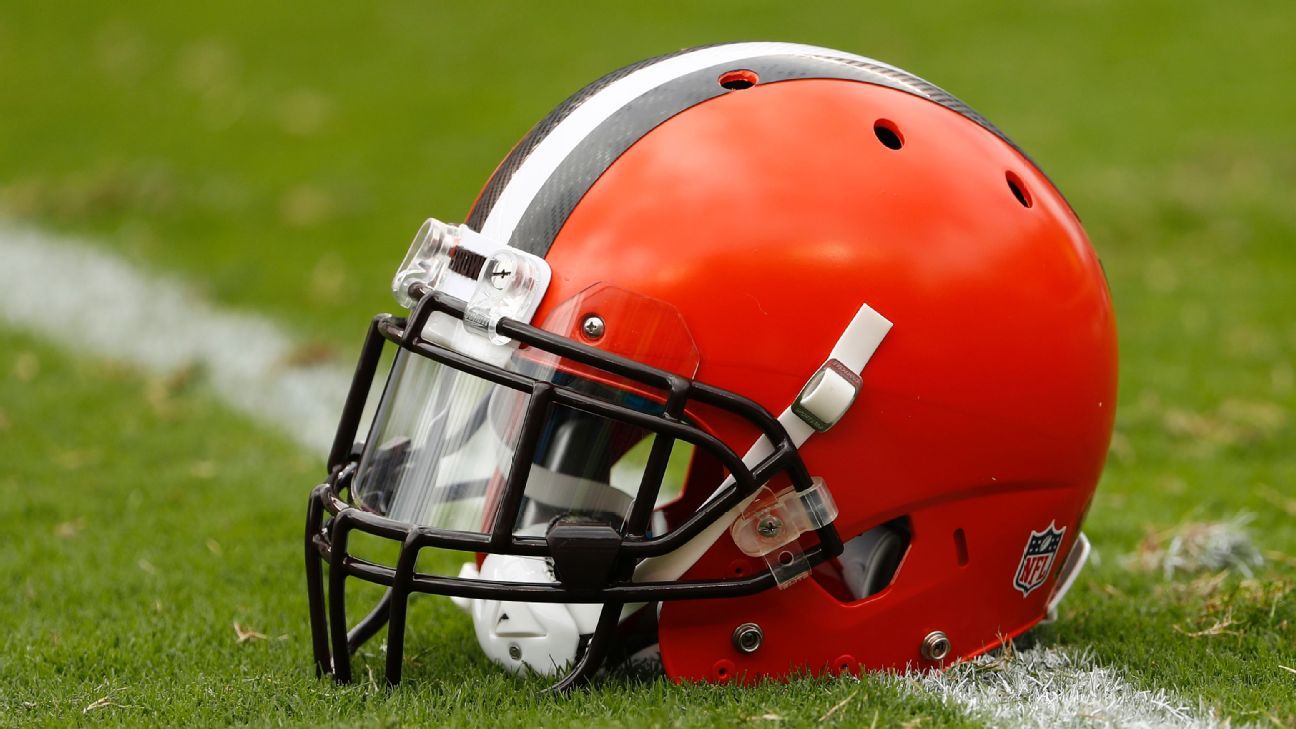
Ohio Governor Mike DeWine has approved a $60 billion budget over two years, allocating $60 million from unclaimed funds to support the construction of a new Cleveland Browns Stadium. The budget was signed late Monday, just before the midnight deadline.
The Haslam Sports Group, which owns the Browns, sought state assistance to build a $2.4 billion domed stadium in Brook Park, a suburb south of Cleveland. DeWine had initially proposed doubling taxes on sports betting to raise funds for upgrades benefiting the Browns, Cincinnati Bengals, and other teams. However, Congress approved using some of the state’s $4.8 billion in unclaimed funds—money from old checks, forgotten utility deposits, and dormant bank accounts—with a 10-year limit before these funds revert to the state.
The Browns hailed the budget approval as a major milestone, praising the cooperation between DeWine and Congress in finding responsible ways to support transformative projects. DeWine called the stadium funding a win for taxpayers, promising it would enhance Ohio’s quality of life.
Last October, the Browns revealed plans to build a cutting-edge stadium and entertainment complex in Brook Park, 15 miles south of Cleveland, once their current stadium leases expire at the close of the 2028 NFL season.
The budget also revised Ohio’s "Art Model Act," a 1996 law preventing professional sports teams from moving out of cities with tax-supported stadiums without city consent or six months’ notice. The updated law now only applies if a team tries to relocate outside of Ohio.
Cleveland Mayor Justin M. Bibb expressed disappointment over the budget, criticizing the $600 million public grant for the Brook Park stadium and the changes to the model law. Bibb warned that relocating the Browns would hurt downtown Cleveland’s economy, create competing entertainment zones, and disrupt waterfront redevelopment. He also opposed weakening protections for communities that have made significant public investments in sports teams, stating it sets a dangerous precedent.
Earlier in January, Cleveland had sued the Browns to enforce the model law and prevent the move. Local Democratic lawmakers, largely representing Cleveland and nearby areas, condemned the plan as a handout to billionaire team owners. Some Democrats outside Congress even threatened legal action if DeWine approved the budget.
The Associated Press contributed to this report.
Fan Take: This decision is crucial for NFL fans because it represents a significant investment in modernizing team facilities, which could elevate the game-day experience and boost local economies. However, it also raises important questions about the balance of public funding for sports and community impact, a debate that will continue to shape the future of the league.