
The WNBA and the WNBPA have agreed to extend their current collective bargaining agreement (CBA) by 40 days as negotiations continue to avoid a potential work stoppage that could disrupt the league’s progress. This marks the second time since the 2025 season concluded that the two parties have paused talks to keep the league moving forward without interruption.
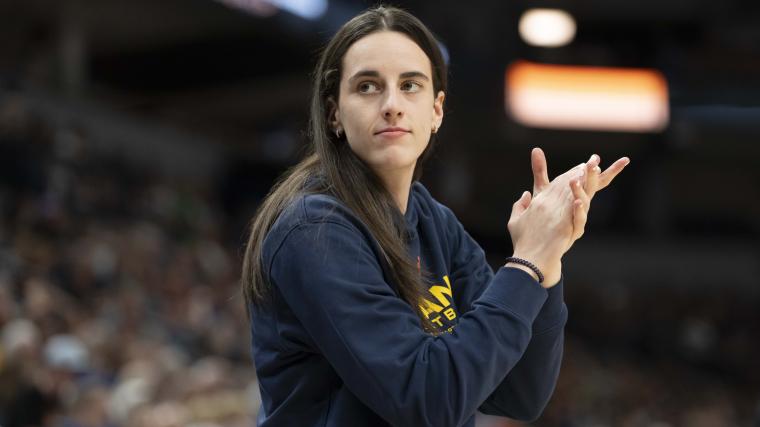
Caitlin Clark, a standout star who has drawn millions of new fans to the WNBA after her record-breaking NCAA career at the University of Iowa, is unlikely to join the Indiana Fever in 2024. Despite battling injuries in her second professional season, Clark is now a two-time All-Star, and her future in the league remains a focal point amid ongoing, slow-moving negotiations.
Following the extension, the WNBA presented a new proposal aimed at reviving talks, featuring a significant salary cap increase and higher player salaries. Reports indicate that the maximum salary will jump to $1 million by 2026, compared to $249,244 in 2025. Average salaries could rise to around $500,000, with the minimum salary growing from just over $66,000 to $225,000. If Clark signs the maximum contract anticipated in 2027, she would become one of the league’s highest-paid players, setting a new benchmark in WNBA salaries.
A key element of the proposed deal is the introduction of revenue sharing, a player priority since the 2020 CBA opt-out. The salary cap is expected to jump to $5 million in 2026, with annual increases linked to the league’s revenue growth, moving away from the previous fixed 3% increase each year based on the $1.5 million cap set for 2025.
It remains uncertain how the players will respond to the new offer or if it will lead to meaningful negotiations. Nonetheless, the league has taken a decisive step during this latest extension period, and the outcome of these talks will be crucial for the WNBA’s future.
Fan Take: This proposed deal could be a game-changer for the WNBA, empowering players with better pay and a stake in the league’s financial growth. For fans, it signals a maturing sport that values its athletes and may lead to even greater competitiveness and visibility.