The draw for the 2026 FIFA World Cup, which is set to be the largest and longest in the tournament’s history, was held on Friday at the Kennedy Center in Washington, DC. The event featured a variety of highlights, including a head of state selecting a predetermined ball, Rio Ferdinand showcasing his acting chops, and Lauryn Hill performing “Doo Wop (That Thing)” for a bemused group of FIFA members.
As for the draw itself, there are numerous narratives emerging, with several intriguing matchups and notable group dynamics. With 48 teams split into 12 groups of four, the potential for confusion is substantial. So, let’s dive into the winners and losers from Friday’s FIFA World Cup draw.
advertisement
Winners
USMNT
Mauricio Pochettino likely left the Kennedy Center feeling quite satisfied, as the U.S. men’s national team will compete against Paraguay, Australia, and either Türkiye, Romania, Slovakia, or Kosovo—all of which are winnable matches. Just last month, the U.S. won 2-1 against Paraguay, followed by a similar result against Australia a month earlier. While the competitive environment of the World Cup may change things, the outcome could remain favorable.
As for the other potential rivals, it appears Türkiye and Real Madrid’s Arda Güller could join the fray, but I believe the American side has the talent to prevail.
advertisement
Feliz Navidad, Poche. This is an excellent group for you.
Spain
Realistically, if the European champions perform to their capabilities, this group should be a breeze for players like Lamine Yamal, who showcased brilliant form during the qualifying rounds.
La Roja kicks off against Saudi Arabia, the team that famously upset Argentina and Lionel Messi in Qatar in 2022, but it’s hard to believe Luis de la Fuente’s squad would fall into a similar trap. Following that match, they’ll face the Cinderella team from Cape Verde, ending with a game against Uruguay, who have struggled recently under Marcelo Bielsa, who wasn’t even part of the draw amid discussions of major changes on the horizon.
advertisement
For Spain, this group should present relatively few challenges.
England
It’s typically British to view their own teams (Croatia, Ghana, and Panama) as formidable opponents, and Thomas Tuchel’s squad might feel a bit of pressure. But it’s time to shoot for optimism given the immense talent at this team’s disposal.
Croatia has always proved a tough opponent, but their aging roster—with players like 40-year-old Luka Modric and 36-year-old Ivan Perisic—might struggle to compete at their previous level. While this first match could pose the toughest challenge, we expect England to assert themselves strongly in the tournament. Tuchel also needs to consider the conditions, especially if the matches take place in the Dallas area, where temperatures will be an important factor.
advertisement
Ghana features players with Premier League experience, but that won’t likely tip the scales in their favor against this talented English team, while Panama, in their second World Cup appearance since 2018, is also leaning on veterans.
There’s a crucial balance between arrogance and self-confidence, and Tuchel’s England must harness both to navigate this group successfully.
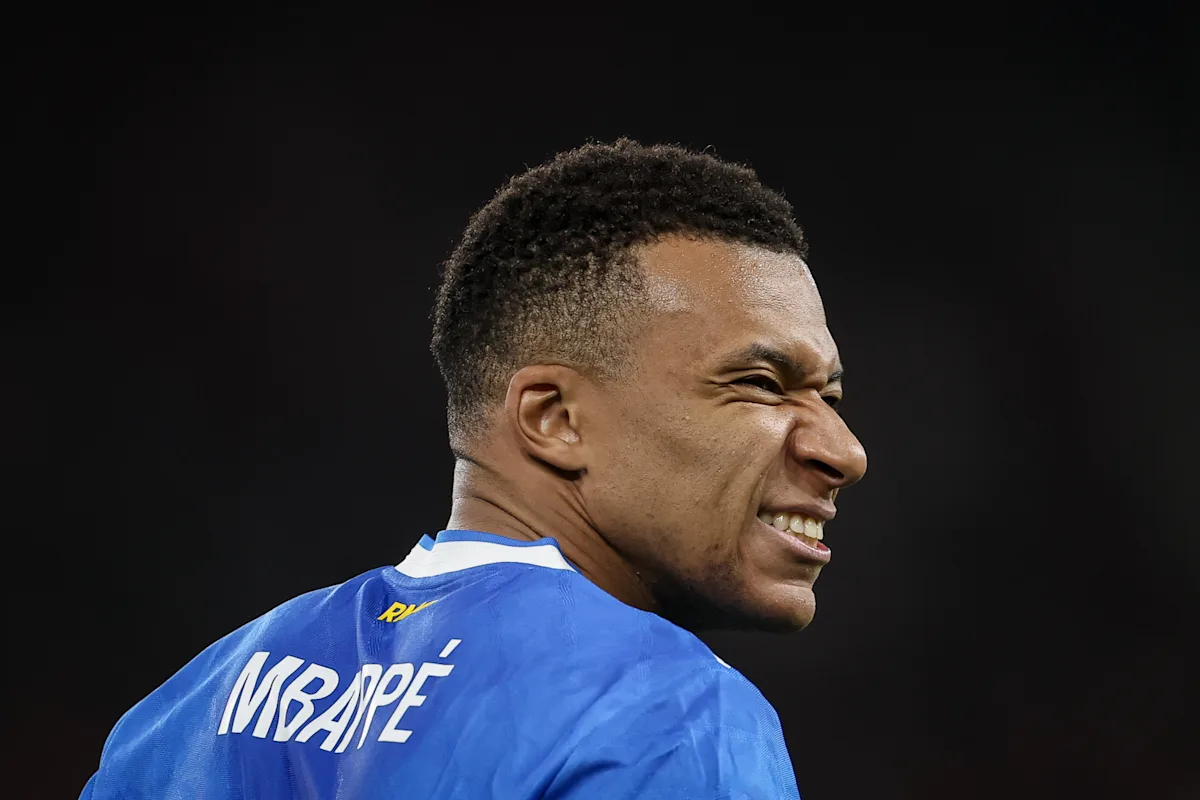
Kylian Mbappé and France are positioned in one of the toughest groups for the 2026 World Cup.
(Alex Pantling – UEFA, via Getty Images)
Losers
France
Group I presents significant challenges for the blues.
The opening match against Norway, led by Erling Haaland—who won all their World Cup qualifying matches—will be tough. Following that, they will face Bolivia, Iraq, and Suriname, culminating in a game against Senegal, a country with deep ties to France, which also performed well during their qualifying.
advertisement
From a soccer perspective, it’s worth noting that Senegal last defeated France 1-0 in their opening match back in 2002, leading to the defending champions’ failure to advance from their group. While it may not be a foregone conclusion this summer, this talented French team (Didier Deschamps’ last squad) lacks the competitive experience they once had, given the retirement of many veterans.
They will need to navigate their group carefully to secure a spot in the finals; otherwise, they may face an uphill battle.
This leads us to the infamous “death group”…
Group E (But Fans Win)
This group is notoriously unpredictable.
advertisement
Four-time World Cup champions Germany have historical credentials and many anticipate that coach Julian Nagelsmann’s team will thrive here. However, their project remains uncertain following a rocky start to their qualifying campaign, raising questions about their established consistency.
Ecuador, on the other hand, has shown resilience and determination, finishing second in CONMEBOL qualifying, their best result since the format changed.
The Ivory Coast returns after a hiatus since 2014, finishing the qualifying phase undefeated without allowing a single goal. They boast numerous talented players familiar with the German style.
Finally, there’s Curaçao, the smallest country in World Cup history, making for an inspiring Cinderella story. Their squad features a talented roster with a growing diaspora, and they are led by veteran coach Dick Advocaat. At 78, he will be the oldest manager to participate in the World Cup, and both he and his team are eager to make their mark.
Beware this group; it will be fascinating to see who advances.
In my view, this World Cup draw sets the stage for exciting matches that could redefine the narratives around several national teams. Soccer fans should be thrilled as these groups not only promise memorable clashes but also highlight emerging talents and underdogs ready to make their mark on the global stage.