

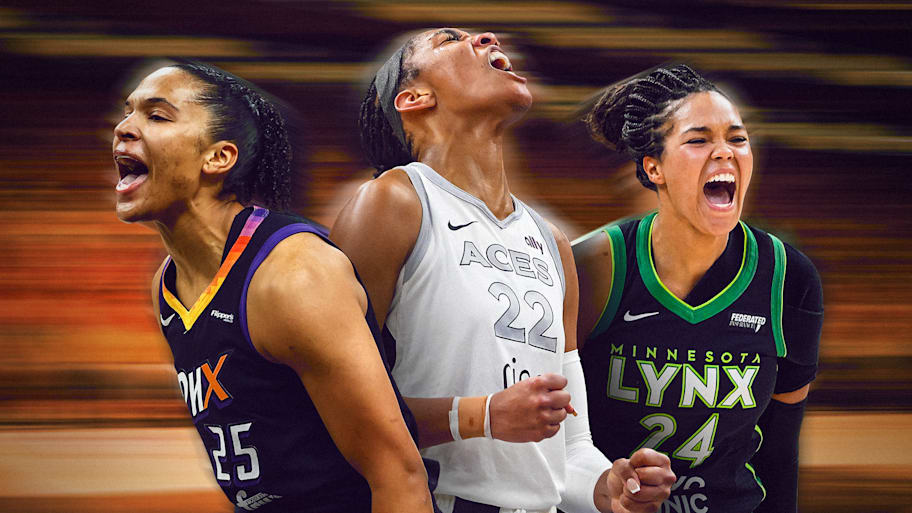
The negotiations between the WNBA and the WNBPA over the new Collective Bargaining Agreement (CBA) have been highly contentious. Though the original deadline was October 30, it has been extended twice, with the current deadline now set for January 9, 2026. This delay could postpone the league’s expansion draft and the start of the regular season.
The WNBA’s latest offer includes promising salary figures, with the top player earning a $1 million base salary and the lowest-paid player guaranteed at least $220,000. However, these figures come with major stipulations: the season would start earlier, players would lose guaranteed housing, and rookies must attend a mandatory draft or face a 50% pay cut. The league has not made significant concessions yet, and a primary sticking point remains revenue sharing, which the league wants to increase from 9% to 15%.
At the same time, offseason leagues such as Unrivaled, Athletes Unlimited, and the new Project B are gaining traction. These leagues, often used by players to supplement their income, now offer competitive or even superior salaries compared to the WNBA, attracting top talent. For example, Unrivaled is expanding its 3-on-3 league with a starting salary of $222,222, Athletes Unlimited offers salaries between $30,000 and $40,000 over a short four-week season, and Project B offers a $2 million starting salary for its international league, featuring stars like Nneka Ogwumike and Alyssa Thomas.
The WNBA faces a crucial moment; failure to meet player demands could lead to losing key athletes, damaging the league’s competitiveness, entertainment value, and reputation as the premier women’s basketball league globally.
A historical comparison to the NBA is instructive. After 25 seasons, the NBA contended with a rival, the ABA, which enticed players with higher salaries and innovations like a 30-second shot clock and 3-point shooting. Top players switched leagues over better pay, prompting the NBA to adapt by subsidizing salaries and eventually merging with the ABA in 1976. This strategic move helped the NBA grow into a dominant sports league.
Just like in the NBA’s past, players hold significant power but are also influenced by market forces, and their loyalty may lean toward leagues that value them most. With a lockout looming, the WNBA faces an existential challenge. Learning from the NBA’s history is crucial for the league’s survival and prosperity.
Fan Take: This ongoing labor standoff is pivotal for WNBA fans since it could impact not only the season’s schedule but also the league’s future talent pool. Ensuring fair player compensation and conditions is essential for maintaining the league’s growth and status as the top platform for women’s basketball.