

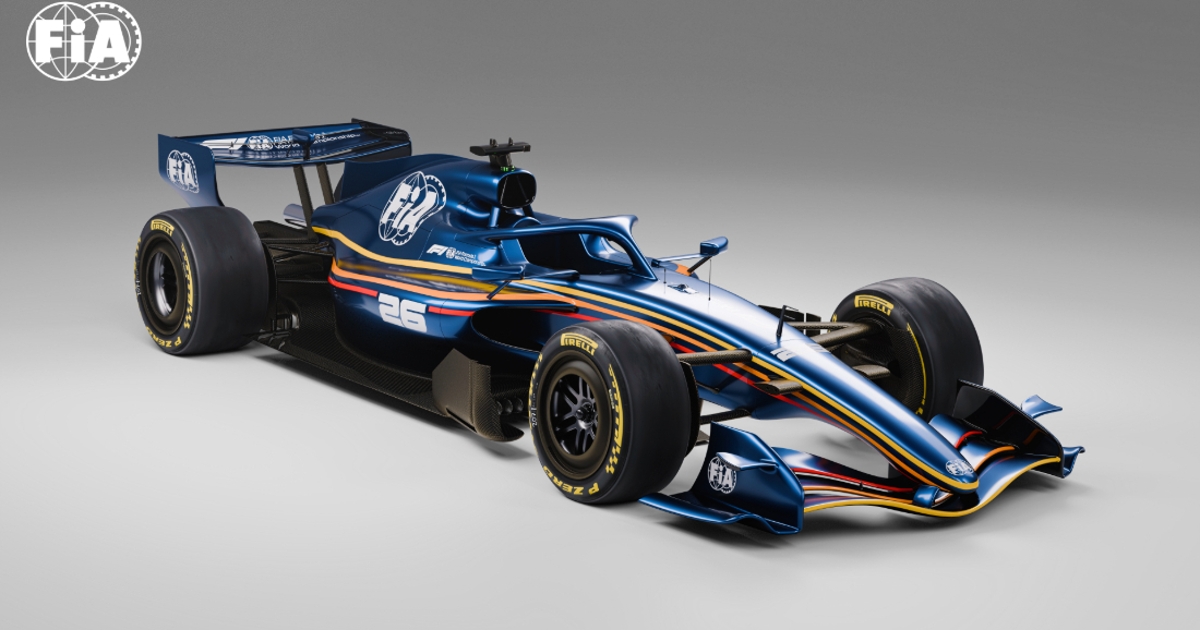
F1 and the FIA have finalized the new terminology required for 2026 cars in a fundamental change to the regulations.
The 2026 regulations will make more electrical energy available as part of the power unit, with an almost 50:50 split with the internal combustion engine, as well as active aerodynamics. There are new overtaking aids and configurations, all of which have been tested by fan focus groups comprised of new, existing and core fans of the sport to simplify the terminology that describes the new technology.
The new overtaking aid, which replaces DRS, is simply called ‘Overtake’ and allows drivers who are within two seconds of the car in front to input additional energy to assist in wheel-to-wheel battles. This is separate from the car’s ‘boost’ feature, where the driver uses an energy recovery system (ERS) to provide energy when needed.
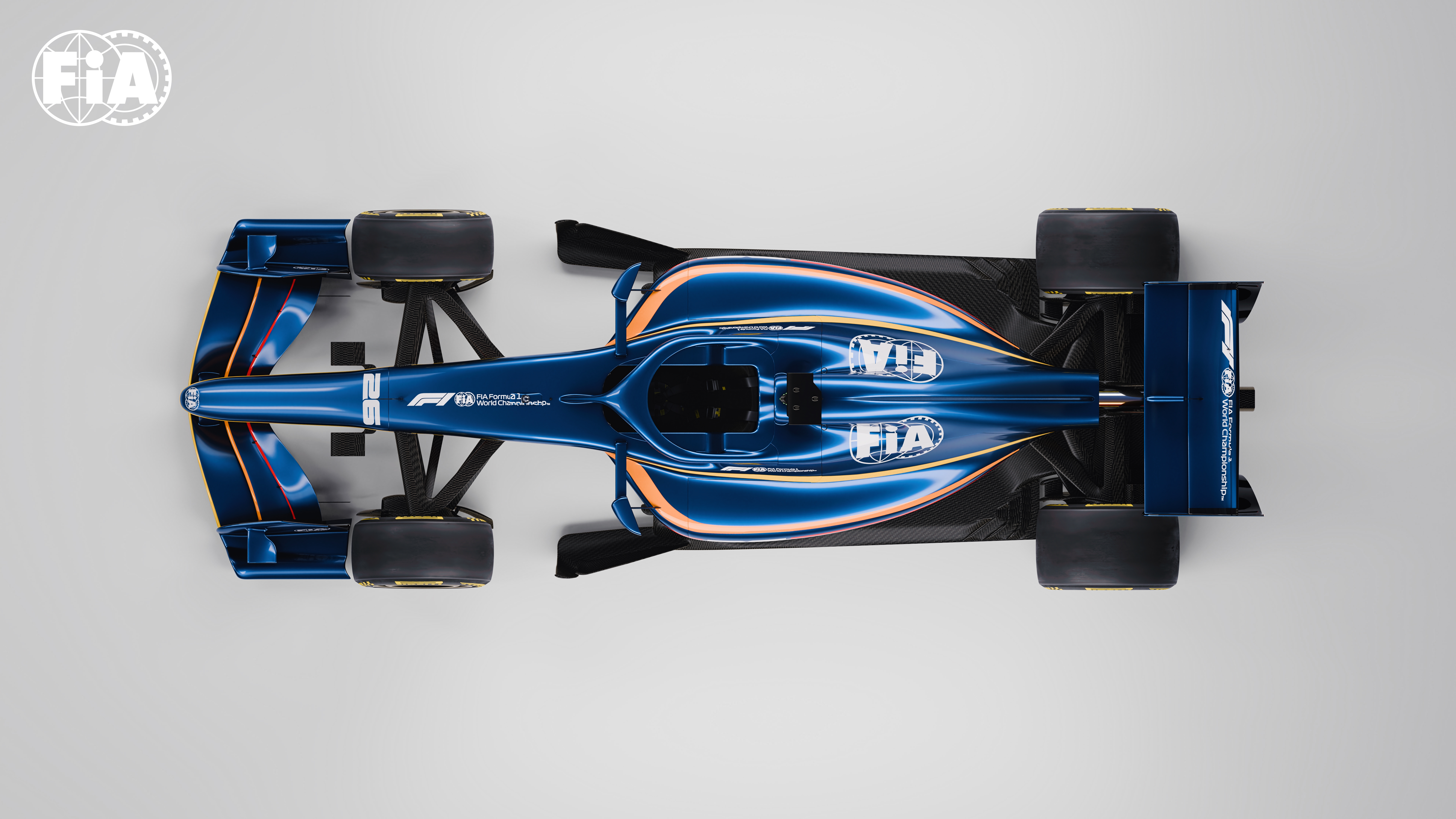
Active aerodynamics is perhaps the biggest change from a car perspective, with two separate modes simply called ‘Straight Mode’ and ‘Corner Mode’.
In corner mode, the car is effectively in its normal full downforce state, allowing maximum aerodynamic performance throughout the corner.
In straight mode, the front and rear wing flaps open to reduce drag and increase top speed with less energy. This configuration can only be used for vehicles in a designated area (defined by the minimum length straight) of each circuit.
The 2026 regulations also include further attempts to improve the impact of dirty air on following cars, with the FIA making progress compared to 2021 with the previous ruleset. According to Team Geometry, the 2021 car has an estimated 67% of the lead car’s aerodynamic performance available when following within 20 meters, with the total dropping to 55% at 10 meters.
F1’s basic target for 2022 was to achieve a performance of 95% in the 20m and 85% in the 10m, but data from the past three years suggests the average was 80% and 65% respectively. The baseline target for 2026 is 90% in the 20m and 80% in the 10m, and the FIA expects to address some loopholes that could be exploited in the previous regulations.
“In the very early days of 2022, everyone was talking about how far they could follow and everyone was really happy. But today I would say it’s quite difficult,” FIA single-seater director Nicolas Tombazis said. “In that respect, I would say we didn’t have as much control over that parameter as we would have liked.
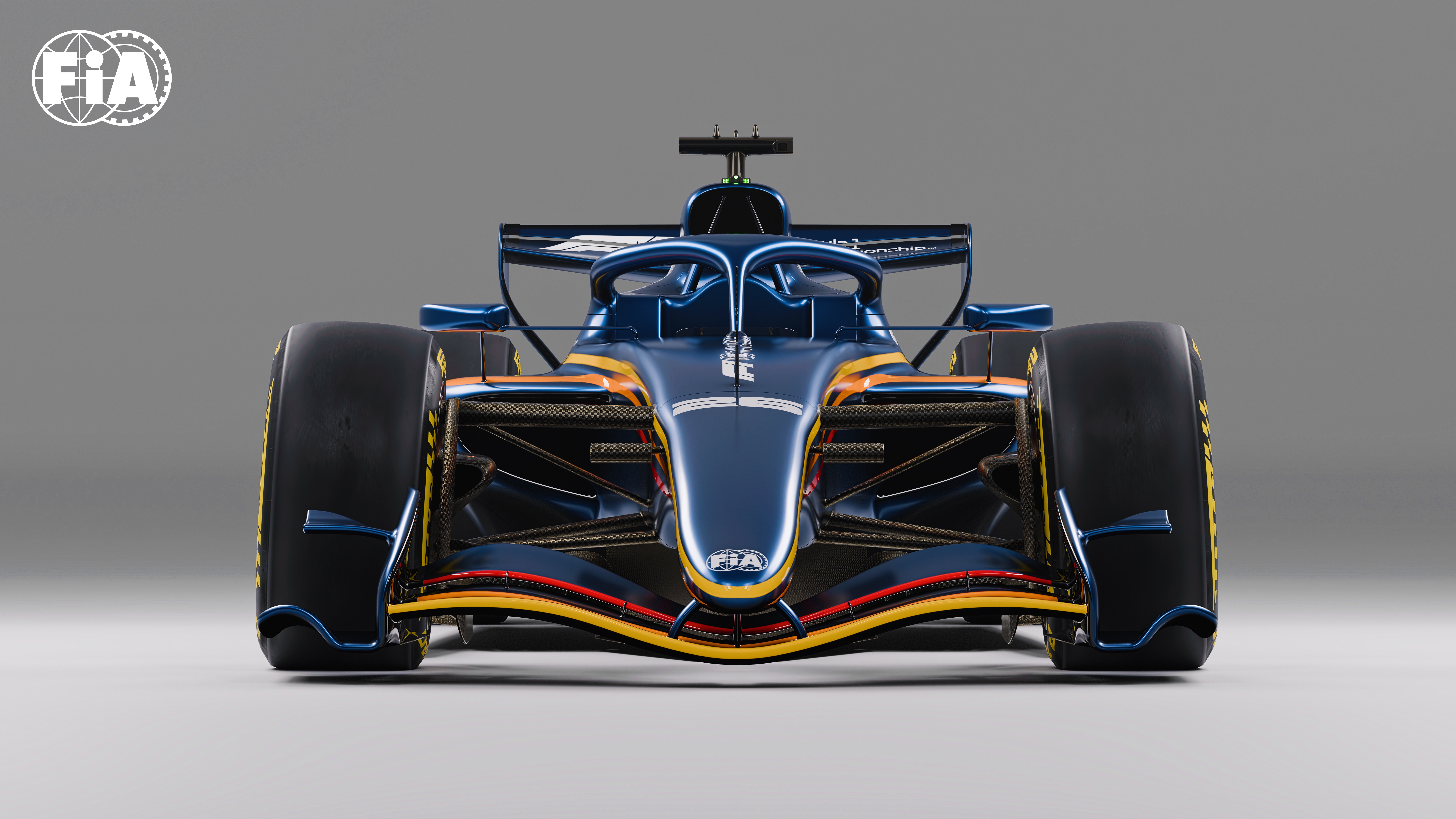
“The main area[that was exploited]was the front wing end plate. The front wing end plate was originally planned to be a very inwash device. And gradually, in all the decisions about how the profile goes around and joins to the end plate, it wasn’t tightened enough, so the profile ended up outwashing quite a bit in that area, creating a lot of outwash.”
“Another area that they exploited a lot was the front wheel drum design and all the ‘furniture’ on the inside of the front wheel. I think the floor edges were also in that category. All the floor edge design…I think those were the main areas of performance degradation from the intent of the rules, for example.”
“As for outwash, we obviously believe it’s being addressed (for 2026), but let’s have this discussion in two years and hopefully we can all smile and say it was OK.”
