Formula 1 has updated some terminology for the 2026 regulations to make things clearer for fans. Following discussions with stakeholders and completing a major overhaul of the technical and sporting rules for the next-generation F1 cars, the FIA and F1 have decided to simplify key terms ahead of the upcoming season.
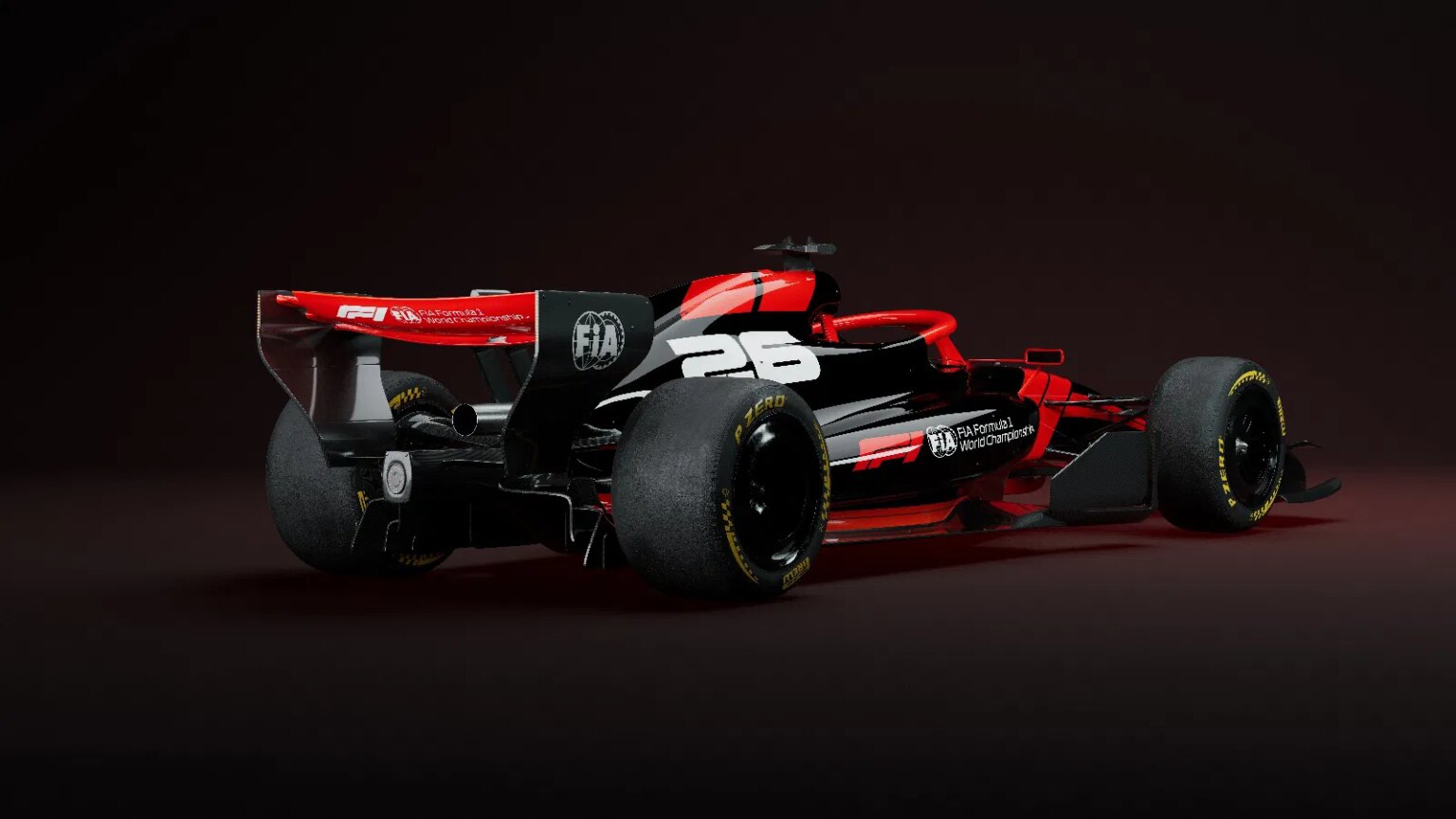
Terms like X-Mode, Z-Mode, and Manual Override Mode (MOM) have been removed because they were deemed too complicated and confusing for spectators. The upcoming cars will be smaller and lighter, featuring active aerodynamics aimed at improving race quality and enabling closer car following.
The new power units will feature a simplified hybrid system with a balanced 50/50 power split between the internal combustion engine and electric motor, eliminating the costly MGU-H unit. These cars will run on advanced sustainable fuels and use narrower 18-inch tires.
Drivers will have greater responsibility under the revised regulations, needing to make tactical decisions about energy use, regeneration, and conservation, which adds strategic depth to the racing action. This overhaul is considered the biggest shift in F1’s 75-year history, intended to mix up the competition and boost excitement on track.
Key new terms include:
- Overtaking Mode: Replaces DRS and helps drivers who are within a second of the car ahead to deploy extra power strategically for overtaking, usable all at once or spread over a lap.
- Boost Mode: A driver-controlled energy system combining engine and battery power, usable offensively or defensively anywhere on the track with a push of a button.
- Active Aero: Allows dynamic adjustment of front and rear wing angles to optimize performance in corners and straights, enhancing grip and adaptability.
- Recharge: Enables drivers to replenish battery energy during braking, throttle lift-off, and partial power application in corners.
Fan Take: This simplification of terminology and the introduction of new technology signals a fresh era in F1, emphasizing strategy and sustainable innovation. Racing fans can look forward to closer, more exciting battles on track as drivers have more control over energy management and overtaking tactics.