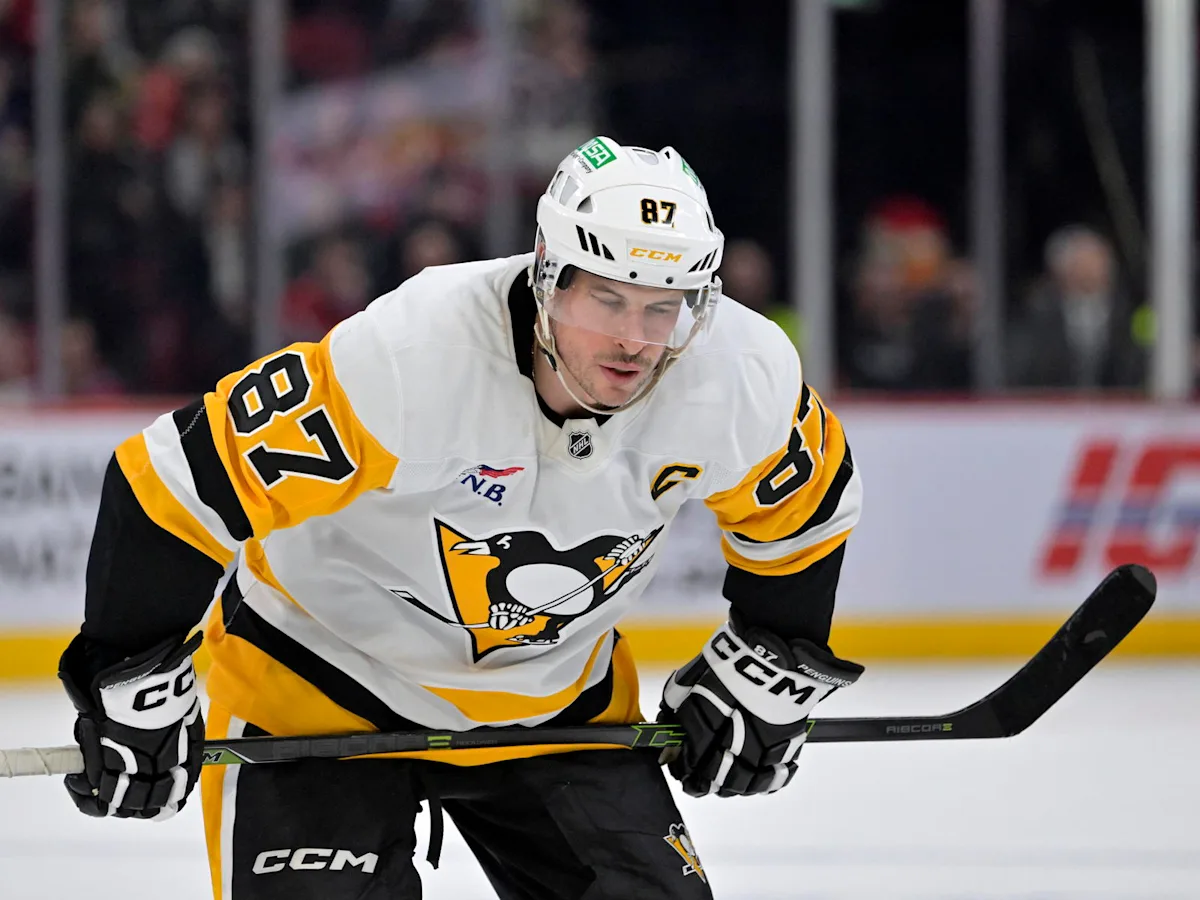
The Pittsburgh Penguins have been struggling lately, with fans and analysts alike wondering what kind of slump the team is stuck in. Despite a decent start to December, where they won two games against the Philadelphia Flyers and Tampa Bay Lightning, the Penguins have since lost seven straight games, four in regulation and three in overtime. They face tough matchups ahead against top teams, but the teams around them in the standings do too, making each loss more damaging to their playoff hopes. As of now, they sit just three points behind the Columbus Blue Jackets for last place in the Eastern Conference and four points shy of a wild-card spot they held a week ago.
This downturn feels more like a sudden free fall rather than a slow decline, especially surprising given that 33 of 34 NHL teams made the playoffs after October, with the Penguins holding a strong 8-2-2 record then. Early signs hinted the strong start might not last, as their goaltending and shooting efficiency (PDO) fell, and even with strong special teams, their 5-on-5 play was average. The team themselves know they are better than their current performance, but the results say otherwise. This season is at a turning point, and how the Penguins respond now will shape their future.
In the short term, the NHL’s holiday roster freeze limits moves until December 28, and the Penguins have three games during this period. Long-term, the team’s ownership, led by the Hoffman Family, is committed to supporting GM Kyle Dubas to bring the Penguins back to prominence.
Special teams, once a strong point, have faltered. Penalty killing, which was top five recently, has dropped to 18th after giving up eight goals in the last six games, correlating with the injury of Blake Lizotte, a key penalty killer and bottom-six forward. The power play has also declined since Evgeni Malkin’s injury, falling below 30 percent efficiency and now ranking third in the league.
The team must get both special teams back on track quickly, as they’ve clearly lost a vital edge. Injuries have been a major factor, but the Penguins look shaky without key players.
Though no trades have been made since a big move on December 12, where they traded Sam Poulin and goaltender Tristan Jarry to Edmonton for Stuart Skinner, Brett Kulak, and a future draft pick, the team’s struggles continue. Players like Erik Karlsson, who has one year left on his contract and solid performance this season, along with Brian Rust and Rickard Rakell, are under increased scrutiny and could be moved if the poor form persists.
The team faces a tough decision on whether to go young by bringing in promising but inexperienced players like Tristan Broz and Harrison Brunicke or stick with veterans who have underperformed. While youth can bring energy and potential, it comes with risks and adjustment periods. Veterans, despite struggles, still need to be utilized for their value, especially heading toward the trade deadline.
Some young players, like Ben Kindel and Rutger McGroarty, show promise, but full trust in youth may take time. Meanwhile, the goalies in the AHL show potential but remain unproven in the NHL. The Penguins must carefully navigate this balance of youth and experience as they determine their path forward.
In essence, the Penguins are at a crossroads, facing roster decisions and performance challenges that will dictate their season’s fate. With key players injured and questions about the best way to rebuild or contend, the team’s future hangs in the balance.
Fan Take: This slump is a critical moment for the Penguins and hockey fans alike, as it highlights the challenges even storied franchises face in maintaining success. How the Penguins manage this crisis—balancing veteran experience with youth—could influence not only their future but set a precedent for other teams in transition.