
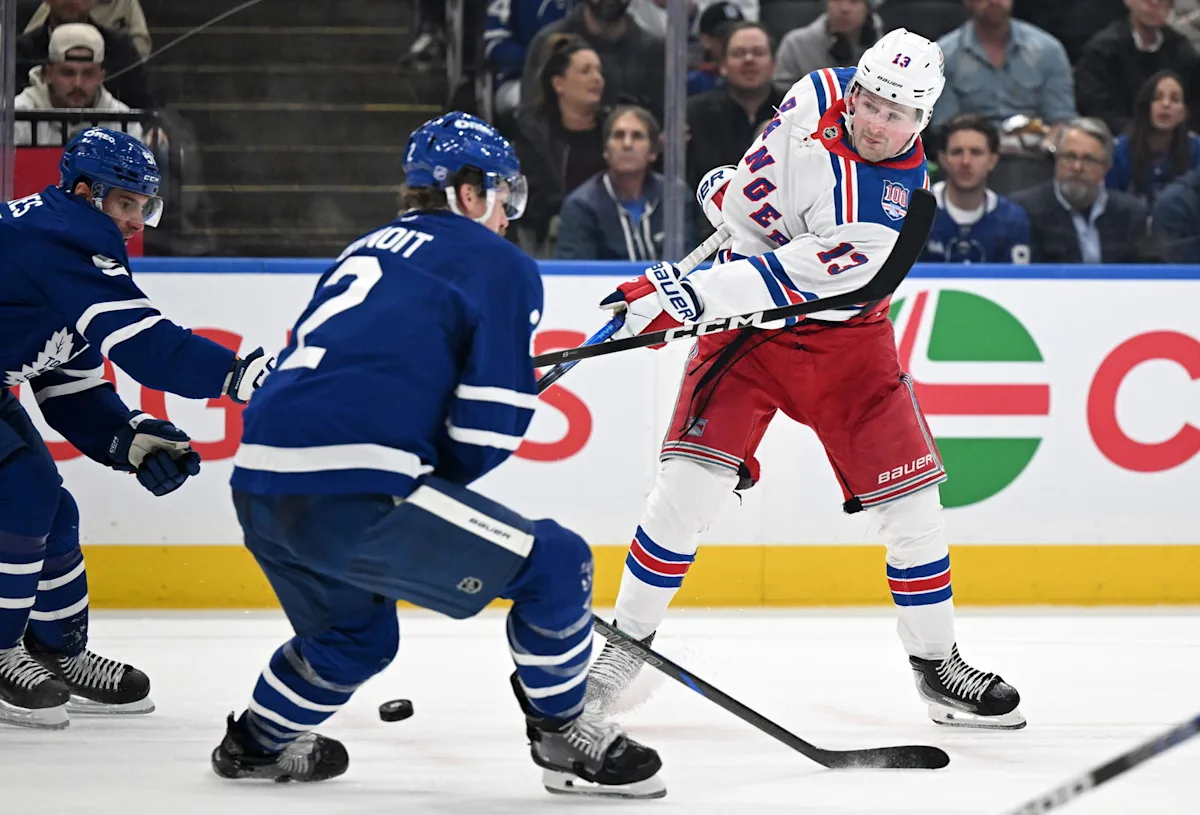
Every year, both the Toronto Maple Leafs and the New York Rangers are nearly neck-and-neck at the top when it comes to NHL team valuations. According to The Hockey News’ 2025 Hockey Business Annual, W. Graham Roustan, executive chairman and publisher of Roustan Media, pegged both teams’ worth at $4 billion, making them the wealthiest franchises in the NHL.
However, despite their financial might, the Maple Leafs haven’t secured the Stanley Cup since 1967, and the Rangers haven’t lifted the trophy since 1994—an astonishing drought for such rich teams. To explore this puzzling phenomenon, Toronto-based hockey finance specialist Mark Nussbaum was asked to analyze why these affluent teams haven’t translated their wealth into championship success.
Nussbaum’s key points include:
Consistency: Both teams struggle to maintain steady, high-level performance. They may have bursts of good play and win some games, but sustaining that quality over time has been a challenge they haven’t overcome.
Lack of Confidence in Core Players: While some core players like Artemi Panarin and William Nylander have had decent seasons, essential stars such as Mika Zibanejad and Auston Matthews haven’t performed to expectations. When core players excel, they energize the whole team; when they falter, the entire roster suffers.
Team Chemistry: Effective teamwork is missing on both sides. Although moments of connection surface, the teams lack the consistent chemistry necessary for playoff success. Leaders like Matthews for the Leafs and JT Miller for the Rangers haven’t fully addressed this issue.
For a team to make a deep playoff run or win the Stanley Cup, these elements—consistency, strong core player performance, and solid team chemistry—are crucial. Despite their enormous financial resources, neither the Maple Leafs nor the Rangers has been able to buy their way to a championship.
It’s a surprising reality that highlights how complex winning in hockey really is.
Fan Take: This analysis is a wake-up call for hockey fans who might assume money alone guarantees trophies. It underscores the importance of team dynamics and consistency, reminding fans that true success in the NHL goes beyond financial power and requires building a cohesive, trusted, and well-performing team.