
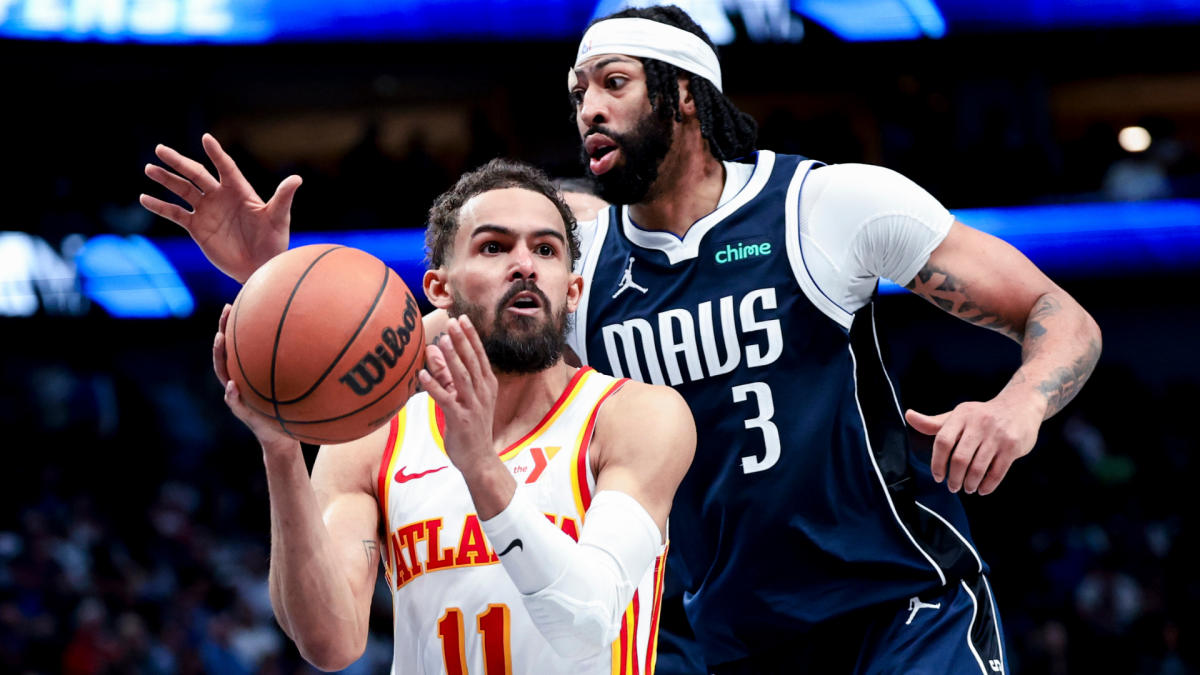
Following the dismissal of Nico Harrison, interest in trading Anthony Davis initially appeared stagnant, but a strong December performance—averaging over 23 points and nearly 13 rebounds in nine games—has reignited discussions around potential suitors. Among the teams eyeing Davis, the Atlanta Hawks stand out as the frontrunner, with a straightforward trade path largely facilitated by Kristaps Porzingis’ expiring contract and the recent acquisition of Zachary Lizacher via the No. 1 overall pick. Despite draft pick complications from past trades involving the San Antonio Spurs, the Hawks retain sufficient draft capital, including a mid-first-round pick from the Cleveland Cavaliers swap rights, and control all first-round picks by 2027, freeing them to trade draft assets if desired.
However, salary considerations complicate matters, as Davis is owed over $58 million next season, with additional financial burdens from Trae Young’s $49 million player option for 2026-27 and contracts totaling around $85 million for other core players. This salary commitment nears the projected luxury tax threshold of about $202 million, a level the Hawks have not approached under current ownership. A potential solution to this financial puzzle could be trading Trae Young, who is reportedly more open to being moved than before. Nonetheless, Young’s declining value—marked by injury downtime, poor shooting, and diminished playmaking—and the league-wide hesitation to trade heavily for guards lacking defensive skills and consistent shooting present challenges.
The Hawks’ strategy appears to be shifting towards emphasizing size and defense, leveraging Davis’s strengths while distancing from Young’s limitations. This pivot fits a growing trend in the NBA but may cap the team’s ceiling while solidifying their floor. Teams like the Clippers and Kings, with expiring contracts and varying strategic needs, could be potential trade partners for Young, especially as they look to maintain competitiveness despite limited draft assets. Ultimately, the Hawks might benefit from initially keeping Young alongside Davis to leverage their pick-and-roll synergy and then reassessing the team’s direction after a season, balancing tax implications and roster construction.
Fan Take: This evolving trade scenario is crucial for basketball fans as it highlights how teams navigate the complex interplay of talent acquisition, salary management, and team identity in today’s NBA. The Hawks’ potential transformation could signal a broader shift toward prioritizing defense and size over traditional guard playmaking, reshaping competitive dynamics across the league.