Welcome to Snyder’s Soapbox! This weekly feature offers insights on Major League Baseball topics ranging from urgent issues to seemingly minor ones, all freely accessible for your enjoyment and knowledge. Now, let’s dive into our beloved sport, but first, a quick nod to some NFL highlights from this past weekend.
There’s a prevalent “all or nothing” attitude among sports fans and media that I’ve long criticized. It’s frustrating when a team that hasn’t won a big title, like the World Series or Super Bowl, is dismissed as having “never won anything.” This kind of thinking unfairly brands players, coaches, or teams without major championships as failures, ignoring achievements like winning games, divisions, or leagues. Take the 2025 Blue Jays, for example—calling them a failure is absurd!
Similarly, many claim that games without playoff implications are “pointless.” Philip Rivers’ recent NFL comeback, despite his team’s elimination and losses during his starts, was labeled pointless by some. Rivers challenged this mindset, reminding us that every game counts, much like the backyard games we played as kids, where the goal was simply to enjoy and compete. His perspective resonates deeply.
Joe Burrow’s return amid a tough playoff chase sparked criticism, with people questioning the value of playing if the playoffs seemed out of reach. But football is his profession—he gets paid to play and deserves credit for his commitment to the game. It’s maddening to hear calls for players to stop playing just because their team’s chances are slim.
This “all or nothing” mentality is flawed, especially in an entertainment business fueled by passionate fans who cherish sports from a young age. Many kids might only get to attend a game once a year or watch favorite players on TV, essential for the league’s longevity. Demanding players sit out hurts future fan development. Also, the NBA’s “load management” trend doesn’t help.
Players earn their pay because they’re talented and entertaining; fans expect to see their best efforts regardless of playoff stakes. Calling for rest simply because a team is out of contention defies the core values of professional sports.
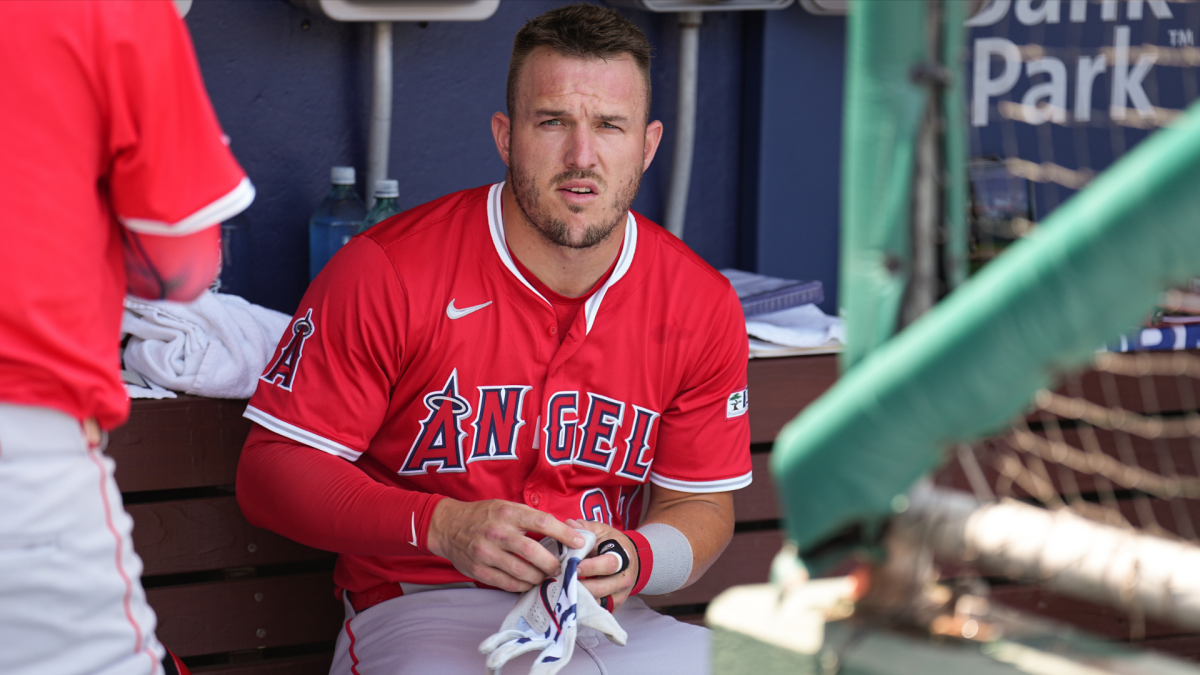
This attitude is common in baseball—imagine a superstar like Mike Trout playing for a team long eliminated. Some wonder why he keeps playing. The reasons are clear:
- Professional pride: Being a pro means competing hard every game, no matter the playoff status.
- Competition: Even late-season games feature battles between playoff hopefuls and eliminated teams, all deserving full effort.
- Individual stats: Players must build season stats for future contracts, arbitration, or free agency, so every moment counts.
- For the fans: Legendary Joe DiMaggio once said he plays hard every game because fans may never see him play again, highlighting the obligation players have to their supporters.
Modern players share this mindset. For example, Julio Rodriguez insists on giving 100% every game, wanting fans to see their true effort, win or lose.
Looking at players like Marcus Semien and Pete Alonso, it’s clear many want to play daily. Yet, the controversy over resting players arises because some people undervalue games without playoff implications.
Those games matter. As Rivers said, everything on the field counts. If a player is healthy, they owe fans a full effort—fans who indirectly pay their salaries. In professional sports, every game is important.
Fan Take: This discussion highlights why every game in the baseball season carries significance, not just for the playoffs but for the spirit of competition, player pride, and fan engagement. Understanding this mindset deepens appreciation for players like Mike Trout, who give their all regardless of their team’s standing, preserving the integrity and excitement of the sport for all fans.