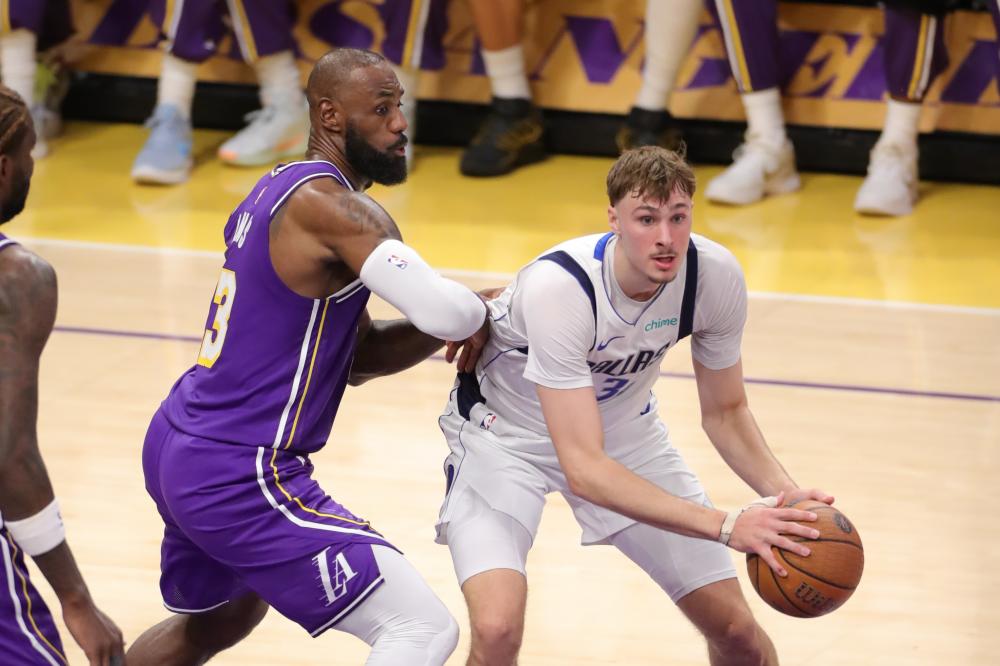
The NBA’s structure based on seasons reflects more than just scheduling—it symbolizes a deep connection to the league’s history and existence. Philosopher Martin Heidegger viewed time not as a path we travel but as a state we inhabit, a kind of pressure, something the NBA has long embodied. The current millennial basketball legends like LeBron James (who recently turned 41), Stephen Curry, Kevin Durant, Russell Westbrook, James Harden, and Chris Paul are nearing the ends of their careers. Behind them rises a fresh, distinctly international generation from Slovenia, Serbia, Greece, Canada, and France, marking a new era for the league.
While the domestic talent pool remains active, factors like an overwhelming AAU culture, the one-and-done college system, and declining fundamentals have weakened its former dominance. In this environment, the question is which players will flourish. These aging stars now confront the reality of their finite playing days, a concept Heidegger described as living “towards” the end, where awareness increases responsibility. For these veterans, responsibility often means making one last championship push. Collectively, they have 10 titles and 23 Finals appearances, but winning again seems unlikely. Curry aims to extend his team’s dynasty, LeBron’s role with the Lakers has lessened, Westbrook seeks relevance, Harden remains productive yet inconsistent, and Durant, now with Houston, appears best positioned for another attempt.
The next generation’s leadership is unavoidable. Veterans like Nikola Jokic (30) and Giannis Antetokounmpo (31) recognize the changing guard. Younger stars such as Shai Gilgeous-Alexander (27), Luka Doncic (26), and Victor Wembanyama (21) are on the rise. Though American players like Jalen Brunson, Anthony Edwards, Cade Cunningham, and Jayson Tatum continue the legacy, emerging talents like 19-year-old Cooper Flagg complicate the traditional balance.
Historically, the NBA’s identity was driven by Black American players who modernized the game amidst economic struggles. However, this control is shifting as the global stage catches up. Gen Z players approach the game differently, building individual brands outside of traditional systems. While American influence remains significant, players no longer carry that burden alone.
Previously, only Hakeem Olajuwon briefly disrupted American dominance, coinciding with Michael Jordan’s retirement. Now, the spotlight moves towards a broader international influence. The millennials revolutionized the game with shooting, versatile positions, and teamwork, but that era has ended, leaving a vacuum no single nation can fill.
There’s a notable parallel between America’s declining global dominance and its diminishing basketball supremacy. Countries once on the sport’s fringes now hold central influence. The question is whether the U.S. can reclaim its leading role, and Cooper Flagg’s emergence offers hope. His consistent shooting and defensive prowess bring renewed clarity to the American game, especially since true basketball greatness has always included excellence on defense.
Flagg, initially overwhelmed by expectations to match Doncic’s level, found stability after a management change with the Mavericks. Despite the team’s shaky standing, Flagg has earned the league’s most valuable currency: trust. His unique mix of accountability, versatility, and composure at such a young age allows him to play in the style the NBA demands—two-way, cohesive, and adaptable. His defensive skills rival those of top big men, while offensively, he leads like a primary creator. He reads the game well, switches strategies, and avoids rushed decisions.
Trust is a key factor in the NBA’s player selection, and Flagg, the youngest in the league, performs with an old man’s poise. If the league’s future is shaped by chance rather than custom, passing the torch is a duty, not just an event. LeBron’s generation sustained the NBA until their time waned, and now the world steps forward. As Heidegger reminds us, it’s not the future we expect but how we handle it when it arrives that truly matters. The NBA isn’t waiting for Cooper Flagg to evolve—the league is already responding to his impact.
Fan Take: This transition marks a pivotal moment, as international talent reshapes the NBA’s identity and style, promising a more global and versatile game. For basketball fans, witnessing this new generation rise—especially with talents like Cooper Flagg—signals exciting changes and a fresh chapter in the sport’s rich history.