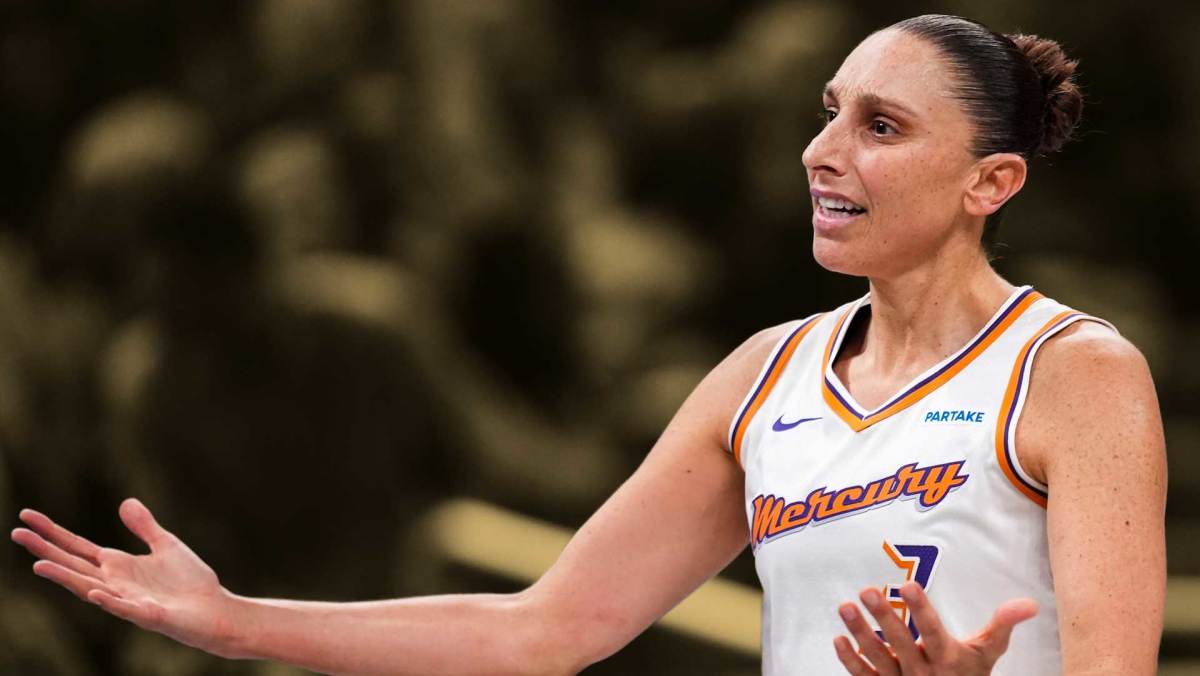
Diana Taurasi has been one of the WNBA’s top players for nearly 20 years, yet she never received equal pay for her excellence. The 2009 MVP hopes that when the next collective bargaining agreement (CBA) comes into effect, the best female basketball players will finally earn what they truly deserve. Taurasi expressed to Front Office Sports in August that she believed she should be compensated for her skills on the court, not for promoting products or being active on social media, which made her uncomfortable.
Taurasi has been a strong voice advocating for better salaries in the WNBA. She revealed that she had to play internationally during the offseason to supplement her modest income and noted that even a janitor earned more than she did. She stressed that women’s basketball players, like their male counterparts, deserve to be paid for their talent. Using NBA players like Kobe Bryant and Nikola Jokic as examples, she emphasized that players should be paid for being the best in their sport, hoping the next CBA reflects this change.
For context, Kobe Bryant was the highest-paid NBA player for three seasons and was the first to earn $30 million in one season. While Jokic isn’t the highest-paid ever, he is expected to earn over $55 million in the 2025-26 season. In contrast, Forbes reported in 2024 that the average WNBA salary is $150,000, compared to nearly $10 million for NBA players — a stark difference of about 67 times. The NBA reaches a larger global audience, but the previous WNBA CBA did little to increase women’s pay, with WNBA players receiving only about 10% of league revenue compared to 50% for NBA players.
Though the NBA’s revenue surpasses the WNBA’s, the latter is making strides, projected to hit $1 billion in revenue by 2025, driven by stars like Caitlin Clarke and Angel Reese. If WNBA players negotiate wisely in the upcoming CBA talks, they could eliminate the need to play overseas during the summer to earn enough income.
Regarding what the WNBPA is seeking, many players, including Taurasi, have criticized the outdated, uneven revenue-sharing model. With no immediate agreement planned, players remain unconvinced about significant progress. According to ESPN, the WNBA’s latest offer proposes an uncapped revenue-sharing system, a maximum salary rising from $249,244 in 2025 to nearly $2 million by the contract’s end, an average salary increasing from $120,000 to over $770,000, and a minimum salary of over $66,000 in 2025. The players also want 30% of gross revenue, while the league offers 15%, roughly half of net revenue.
While negotiations are still a way off, these proposals mark a positive step. Regardless of the final outcome, WNBA players are poised to receive substantial pay raises and improved benefits thanks to this revenue-sharing overhaul. Unfortunately, Taurasi retired in February and won’t see these changes firsthand, but the scale of discussions indicates her demands have left a lasting impact on the league.
Fan Take: This news is huge for WNBA fans because it signals that long-overdue pay equity is finally on the table, which could transform the league by attracting and retaining top talent. Better salaries mean players can focus fully on their sport without financial stress, leading to higher competition levels and more exciting basketball for fans worldwide.