

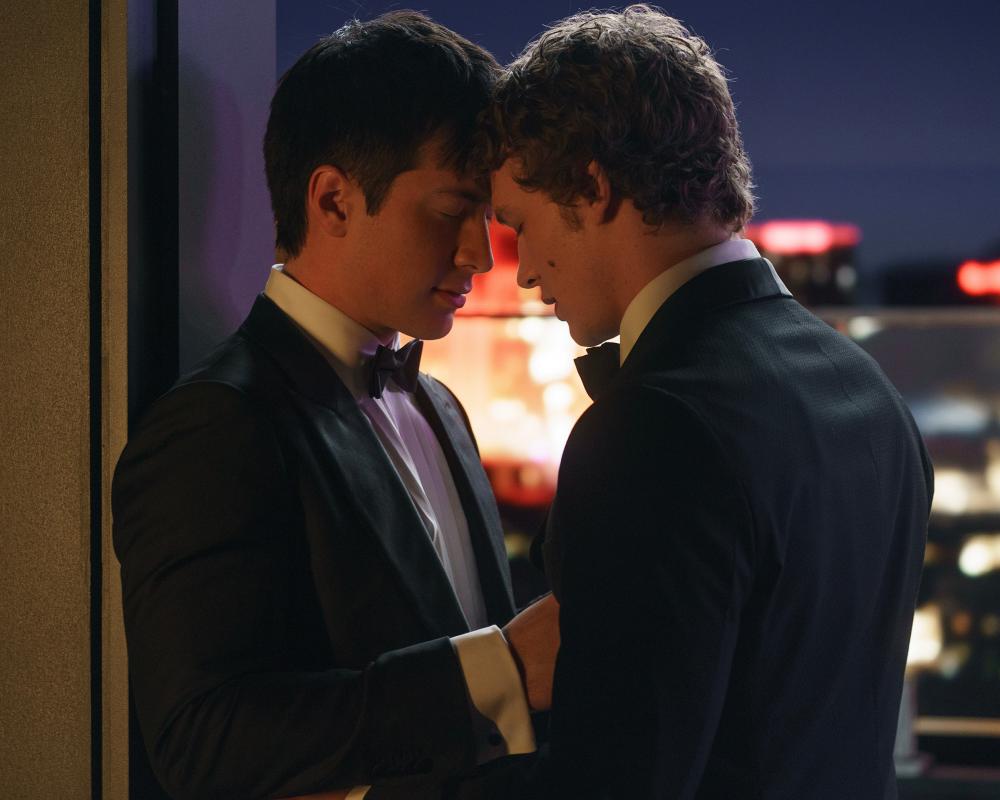
In the first episode of the hit 2025 series Rivals, hockey stars Shane Hollander and Ilya Rozanov share a secret moment, stressing the need for secrecy about their relationship. This captures hockey’s long-standing culture of silence. The show, a collaboration between Crave and HBO, explores the challenges of acceptance in hockey, highlighting the sport’s ongoing struggle with inclusivity despite broader societal progress.
Hockey has a contradictory culture—welcoming yet exclusive. Since the NHL launched the “Hockey Is for Everyone” campaign in 2017, it has aimed to attract fans from underrepresented groups like the LGBTQ+ community, recognizing inclusivity as a strength for growth and innovation, as NHL Commissioner Gary Bettman noted in a 2022 diversity report. However, this report was removed from the NHL’s website, and no further updates have been issued despite claims of ongoing efforts.
In early 2023, Philadelphia Flyers defenseman Ivan Provorov refused to wear a Pride-themed jersey citing religious reasons, leading to other players following suit. Rather than mandate the jerseys, the NHL quietly discontinued the initiative, with Bettman later calling the controversy a distraction.
Players tend to avoid standing out; they fear being seen as distractions regardless of issues like sexual orientation, mental health, or injury. Cheryl McDonald, former You Can Play Canada West co-chair, noted in 2019 that many LGBTQ+ players remain closeted to avoid losing their place to others.
In Rivals’ second-to-last episode, a gay player publicly kisses his boyfriend on ice after a championship, a groundbreaking moment that focuses more on how it affects other characters than on fan reaction. The brief TV commentary suggests surprise but no hostility.
McDonald’s research showed that when players come out, teammates often react positively, dismissing prior homophobic behaviors and even incorporating laughs about sexuality in a respectful manner. This paradox epitomizes hockey culture—tough and exclusive yet capable of acceptance.
Rivals has sparked talk about whether it will bring new fans to hockey, but many already exist, often having learned early to silence parts of themselves. The NHL, while acknowledging the show’s unique appeal to new fans, continues to treat such conversations as distractions rather than opportunities for meaningful change.
Fan Take: This story matters because it highlights the urgent need for hockey to embrace inclusivity beyond mere slogans. If the sport can break its silence and support all players openly, it could transform locker room culture and broaden its fanbase in a way that truly reflects today’s diverse society.