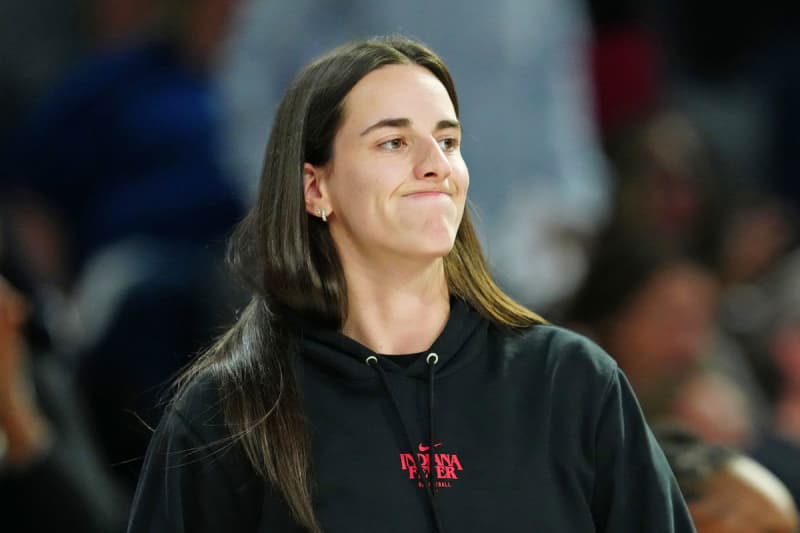
Over the last two seasons, a notable trend emerged in the WNBA where venues were frequently upgraded to accommodate the large crowds drawn whenever Caitlin Clark and the Indiana Fever played on the road. However, as the league prepares for its 30th season, this trend appears to be shifting. Although the overall number of games scheduled at alternate or larger arenas is growing across the league, particularly with new expansions, the frequency of venue changes involving Clark and the Fever has sharply declined—from nine games last season to just four for the upcoming season.
Last year, the Fever’s road games averaged over 15,000 attendees, surpassing all other teams by roughly 4,000 fans, prompting many relocations to bigger venues. This year, while 19 games have been slated for alternate venues (up from 15 last season), much of the increase is linked to expansion teams such as the Toronto Tempo and Portland Fire. Notably, the Tempo will host five games outside their home city, including stops in Montreal and Vancouver, as the league tests new geographic markets.
Specifically for Indiana, no opposing teams have moved their home games to larger arenas for matchups against the Fever this season—a contrast to previous years when teams like the Washington Mystics, Connecticut Sun, and Atlanta Dream made such changes. Meanwhile, franchises like the New York Liberty, Phoenix Mercury, Minnesota Lynx, and Golden State Valkyries already play in NBA arenas, negating the need for venue adjustments.
A significant factor behind this shift may be Caitlin Clark’s limited play last season; after appearing in only 13 games due to a groin injury sustained in July, Clark missed the remainder of the campaign. Even without her on the court, the Fever still topped league attendance figures, but teams appear to be more cautious in upgrading venues this year. The Fever organization declined to speculate on potential venue changes for road games, leaving open the possibility that upgrades could still occur if demand rises before the season starts.
Adding uncertainty to the 2026 WNBA season is the ongoing collective bargaining agreement (CBA) negotiation stalemate. Despite the league’s recent announcement of a full 44-game schedule starting May 8, behind-the-scenes discussions between the WNBA and the players’ association have been deadlocked for over a year. Since the last missed deadline on January 9, both sides have agreed to maintain the status quo while attempting to reach an agreement, avoiding strikes or lockouts so far.
This impasse complicates critical offseason activities such as free agency, expansion drafts for the new Toronto and Portland teams, and roster building. Without a finalized CBA, teams face difficulty making firm decisions—including those related to venue upgrades for high-profile contests featuring star players like Caitlin Clark.
Fan Take: This news highlights how much the WNBA’s growth and fan engagement hinge on star players and operational stability. For fans, the uncertainty around venue changes and the stalled CBA talks underscore the delicate balance the league must maintain to keep momentum and ensure that marquee matchups continue to draw the large crowds the sport deserves.