
SAN JOSE, Calif. — At his pre-Super Bowl news conference this week, NFL commissioner Roger Goodell was careful with his words about security and the halftime show, implying more than he stated outright. When asked whether U.S. Immigration and Customs Enforcement would be on site for Sunday’s game between the Seattle Seahawks and New England Patriots, he avoided naming the agency and instead described a multi-layered security presence involving local, state and federal authorities, calling some elements “unique assets” without clarifying further. In short: he neither confirmed nor denied ICE’s participation.
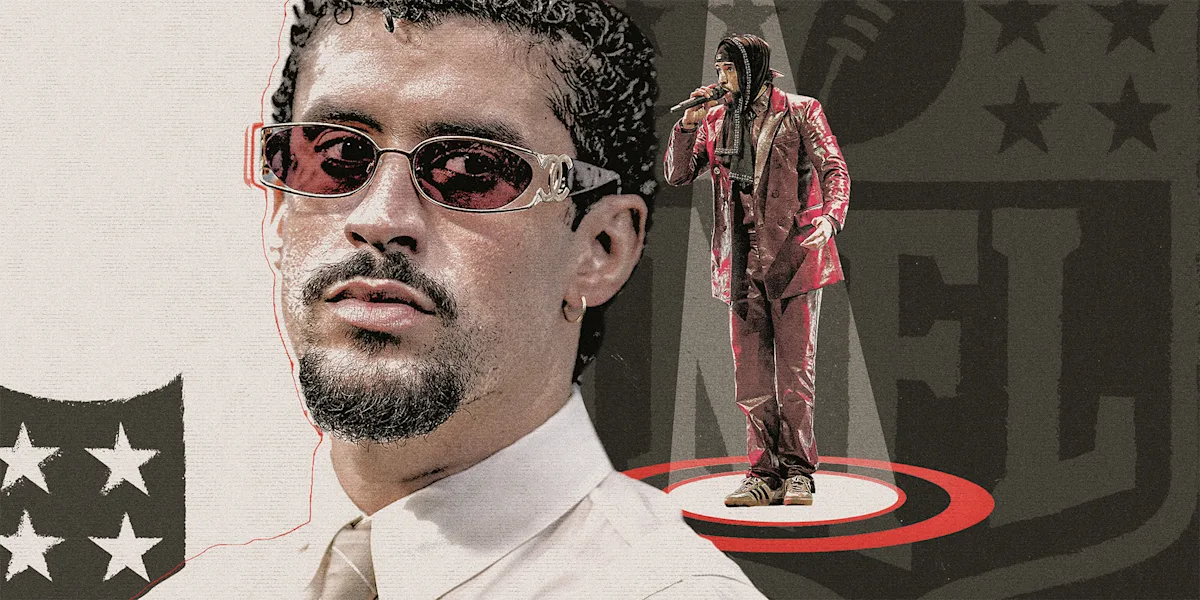
Goodell gave a similarly measured reply about Bad Bunny, the international reggaetón star set to headline the halftime show, after the artist had used his Grammy acceptance speech to say “ICE out.” Goodell praised Bad Bunny as a world-class performer and emphasized that the Super Bowl is a unifying platform — implying the artist understands the difference between the Grammys and this particular stage — but he stopped short of saying whether the performance would avoid political statements. (Bad Bunny is scheduled to hold a San Francisco press conference during Super Bowl week and may address the matter himself.)
That cautious stance reflects both practical uncertainty and a broader reality: the league cannot fully control what happens during the halftime show. Over the years, halftime performances have produced unexpected and controversial moments — from Janet Jackson’s wardrobe malfunction and M.I.A.’s on-stage outburst to Beyoncé’s politically charged “Formation” and supporting performers last season displaying “Sudan” and “Gaza” flags — demonstrating that artists sometimes push boundaries regardless of league intentions. Since partnering with Jay-Z’s Roc Nation in 2019, the NFL has sought high-profile artists who can draw attention and expand its reach, even as those choices risk provoking political backlash.
Goodell’s reticence also reflects lessons learned from previous national flashpoints — the anthem protests, the social justice movement after George Floyd’s killing, and COVID-era politics — when the league needed to balance commercial interests with contentious public debates. At the same time, NFL owners see strategic upside: executives such as Patriots owner Robert Kraft have spoken about prioritizing international exposure, and a halftime headliner like Bad Bunny can attract Latin American audiences who might otherwise not engage with the NFL.
Bad Bunny, who told Grammy viewers “We’re not savages… We’re Americans” and urged love over hate, appears to be aiming to temper polarizing messages even as his earlier “ICE out” remark fuelled controversy. The league’s choice highlights the tension between courting global audiences and avoiding political entanglements at its marquee event.
Fan take: This matters because the Super Bowl halftime show can shape public perception of the NFL and influence which audiences tune in—especially as the league pushes into international markets. If artists use the platform to make political points, the league may face renewed backlash or applause, and those reactions could affect sponsorships, viewership and the sport’s cultural footprint.