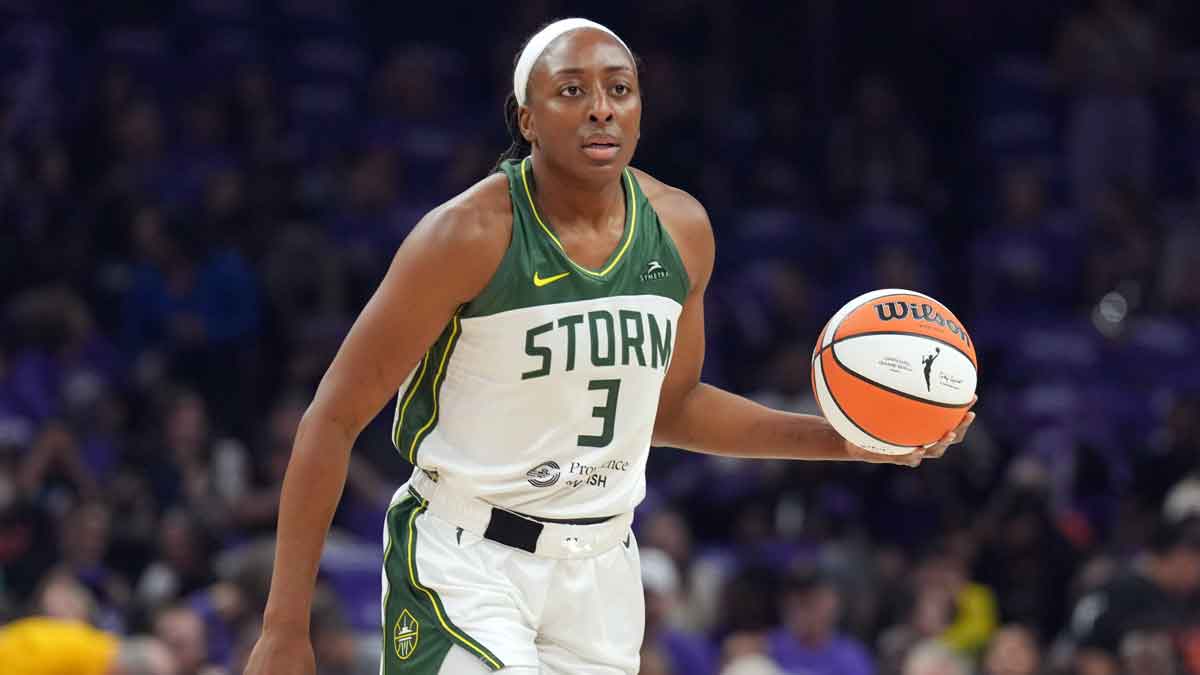
Nneka Ogwumike has earned another notable honor beyond her impressive basketball career. The Seattle Storm star has been selected as one of Time magazine’s 2026 Closers, recognizing influential Black leaders who are making strides toward equality in the United States.
This recognition stems from Ogwumike’s leadership off the court as president of the Women’s National Basketball Players Association (WNBPA). She has played a key role in negotiating a new Collective Bargaining Agreement (CBA) between the players’ union and the WNBA during the offseason. As one of the foremost voices advocating for fair terms, Ogwumike has been outspoken about the players’ demands for equitable compensation.
“When you look at how much is being earned, it’s basically a decimal point. All we’re asking for is our fair share. And that’s more than a million,” Ogwumike stated.
Although talks between the WNBA and the WNBPA have stalled as the January 9 deadline for extending discussions approached, Ogwumike remains optimistic about reaching a new agreement before the 2026 season begins.
“I feel like the energy, the experience from the players’ perspective has been nothing but uplifting and positive,” she shared. “Negotiations involve a certain amount of leverage. The players know their worth. That’s what we want. That’s what we deserve.”
In her interview with TIME, the 10-time WNBA All-Star and former league MVP credited her Nigerian-American heritage for inspiring her leadership. “Nigerian culture values loyalty, pride, and a strong sense of community,” Ogwumike explained. “Having that kind of worldly perspective helped me understand that there is a lot going on outside of what I see right in front of me.”
So far, the WNBA has not responded with a counterproposal to the WNBPA’s last offer, and neither party has initiated a strike or lockout. The players’ proposal includes a maximum annual salary of $1.3 million, a salary cap near $10.5 million, and a demand for 30% of total league revenue.
Fan Take: This recognition of Nneka Ogwumike highlights how WNBA players are not only elite athletes but also powerful advocates for equity and progress within their sport. If successful, their push for better contracts could set a precedent, elevating the entire league and inspiring future generations of women’s basketball players.