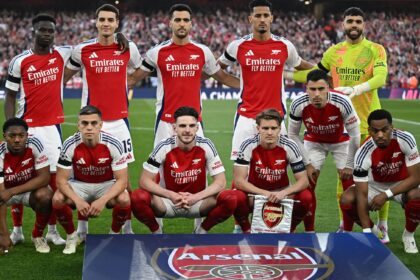

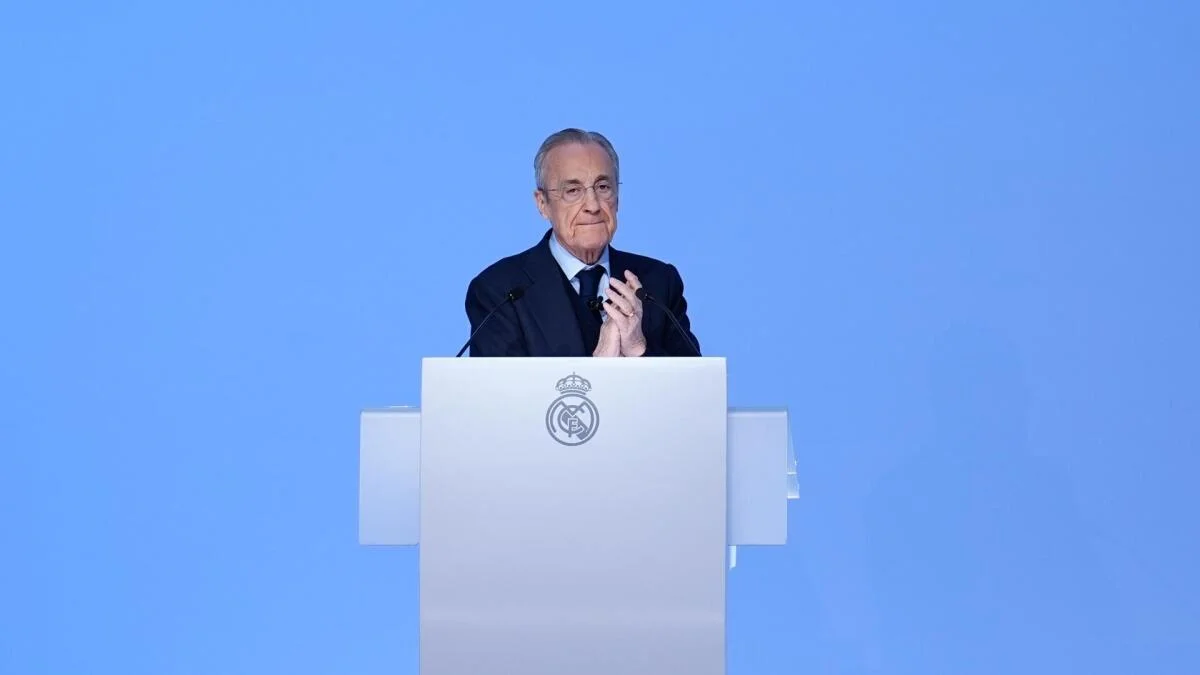
The Super League initiative has come to an official close after almost five years of proposals and planning. This week, Real Madrid and UEFA announced a joint agreement that puts an end to any potential alternative competitions in Europe for the foreseeable future.
In their statement, UEFA, along with the European Football Clubs and Real Madrid, expressed satisfaction about reaching a consensus that prioritizes the health of European club football, emphasizing the importance of sporting merit, long-term sustainability of clubs, and the integration of technology to enhance fan engagement. They also indicated that this agreement could help resolve ongoing legal conflicts tied to the Super League if these principles are upheld.
### What Was the Super League?
The European Super League was a proposed league introduced in April 2021 by twelve prominent clubs from across Europe, aimed at competing directly with the UEFA Champions League and granting clubs more autonomy. The founding members included:
1. Real Madrid
2. Barcelona
3. Atlético Madrid
4. Manchester United
5. Manchester City
6. Liverpool
7. Chelsea
8. Arsenal
9. Tottenham
10. Juventus
11. AC Milan
12. Inter Milan
Initially met with widespread criticism from fans, the plan aimed to create a closed league where founding teams secured permanent places, limiting opportunities for others based on domestic league performance. The plan heightened concerns over the implications for the competitive balance in football, particularly alarming smaller clubs. Despite initial backing from major teams, there was quick pushback from players and coaches, including prominent figures like Jurgen Klopp and Bruno Fernandes, who echoed fans’ disdain and highlighted existing competitions as adequate.
Clubs such as PSG and Bayern Munich openly rejected the proposal, while Real Madrid’s Florentino Perez and former Juventus president Andrea Agnelli championed the initiative. Notably, Agnelli, while serving as head of the European Club Association, stepped down shortly after the announcement.
### Why Didn’t It Work?
Following a backlash that radiated through fan bases and club communities, opposition grew significantly. The reaction from fans, players, and the media was overwhelmingly negative, leading to the withdrawal of all six English clubs within two days. Manchester City was the first to back out, announcing their exit shortly after the original announcement.
“Manchester City Football Club can confirm that it has formalized the withdrawal process from the group developing plans for the European Super League,” the club stated.
Jurgen Klopp spoke candidly against the project, suggesting, “I hope this Super League doesn’t happen. The Champions League is already an elite competition, and we shouldn’t force repetition of matchups like Liverpool versus Real Madrid every year.”
Players like Bruno Fernandes also expressed their disapproval, with the midfielder posting, “You can’t buy dreams” on social media.
In a twist, A22 Sports Management, the organization created to support the Super League, hinted at a potential revival of the concept after the European Court of Justice’s ruling in December 2023 suggested that certain bans on the league might conflict with EU regulations. However, the perception damage endured early on proved insurmountable, and Real Madrid, the last club still holding onto the idea, ultimately abandoned it in early February 2026, just days before UEFA’s latest announcement, effectively signaling the end of the Super League’s brief existence.
—
### Fan Take
This news matters deeply to soccer fans as it reflects a triumph of grassroots sentiments over corporate ambitions that threaten the sport’s competitive spirit. It underscores the importance of clubs remaining accountable to their supporters, shaping a future where fair competition takes precedence over financial interests.