

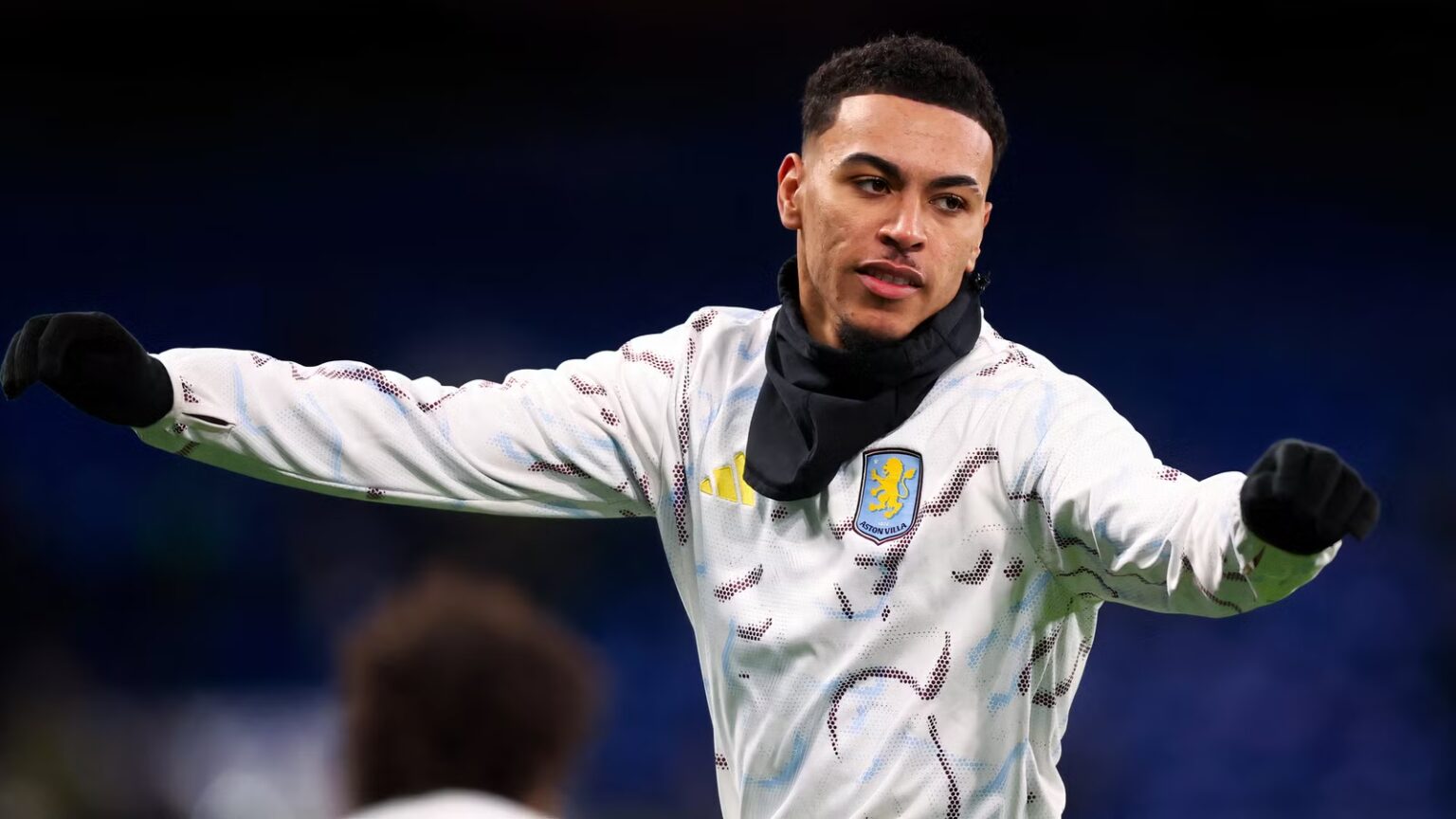
Morgan Rodgers will move to Chelsea for £117m, but why did Arsenal miss out on a deal that at one point seemed almost certain to go through?
Rodgers looked like a perfect fit for Arsenal. Instead, he looks set to head to Chelsea in one of the biggest transfer deals in English football history.
The England international has made remarkable progress over the past two-and-a-half years.
Following his move from Middlesbrough to Aston Villa in February 2024, Rodgers quickly became one of manager Unai Emery’s most important players, developing into a game-changing forward capable of playing from almost any attacking position.
His numbers confirmed the hype.
Rodgers scored 14 goals and provided 12 assists in all competitions last season, helping Villa compete on multiple fronts to win the Europa League and finish in the top four, while establishing himself as a World Cup player for the Three Lions.
His direct running, physical strength and ability to carry the ball into midfield have made him one of the most difficult players to stop in the Premier League.
His form naturally attracted the attention of Arsenal. Mikel Arteta wanted another attacker who could work across the front, add more goals and give the team greater flexibility.
Reports throughout the summer suggested that Rodgers was one of Arsenal’s priority targets, with Villa’s asking price well in excess of £100m.
But Chelsea never left.
They remained interested while Arsenal searched for a deal, with David Ornstein breaking the news everywhere that the Blues had reached a verbal agreement worth £117m, leaving Arsenal empty-handed.
If completed, it would not only strengthen Chelsea, but also deny one of Arteta’s biggest rivals, whom he really admired.
Missing out on elite players is common, but losing them to Chelsea after making Rodgers a key target will be the hardest part for Arsenal supporters to accept.
How Arsenal missed out on signing Morgan Rodgers from Chelsea
According to Arsenal insider HandOfArsenal, Arsenal’s handling of negotiations ultimately played a big role in how the transfer unfolded.
The source insisted that personal conditions had been virtually no obstacle for weeks, and that Arteta had even met Rodgers in person as part of the club’s efforts to persuade him about the north London project.
However, HandOfArsenal claim Arsenal took too long to convert that interest into a deal.
His report also claims Villa were “outraged” by the informal talks as there remained a wide gap between the two clubs’ ratings.
It is said that this delay opened the door for Chelsea to make a bold move and ultimately secure the contract.
If these claims are an accurate reflection of what happened behind the scenes, Arsenal would be understandably disappointed. Identifying the right players is only half of modern reinforcements, but timing often determines who is actually signed.
you scored
out of 20
Villa always negotiated from a position of strength as Rodgers had a long-term contract and had no intention of forcing him to leave. Hesitation can always be risky.
Should Arsenal have accepted Chelsea’s reported £117m offer? That’s a completely different question.
It is impossible to criticize a club for refusing to overspend if they truly believe that the valuation is excessive. But if Rodgers was Arteta’s desired signing, completing the deal without giving his direct rival a final push would feel like a painful missed opportunity.