
Watching boxing gradually break into the mainstream is always an intriguing experience. Often, it feels awkward and complicated, as if I’m standing in the middle of the ring, gloves raised, ready to defend not just myself but the sport itself from an onslaught of criticism—like a surreal dream or one of those viral AI videos pitting a million Mike Tysons against twenty archers.
Much of the coverage tends to focus on the negative: Fighter W failed a drug test; Fighter X embarrassed himself online; Fighter Y has been arrested again, facing serious charges; Fighter Z is on the latest season of “Celebrity Big Brother.” Questions abound: Why isn’t this fighter contesting for the WXYZ title? It’s no surprise that the initial reaction is often defensive rather than celebratory.
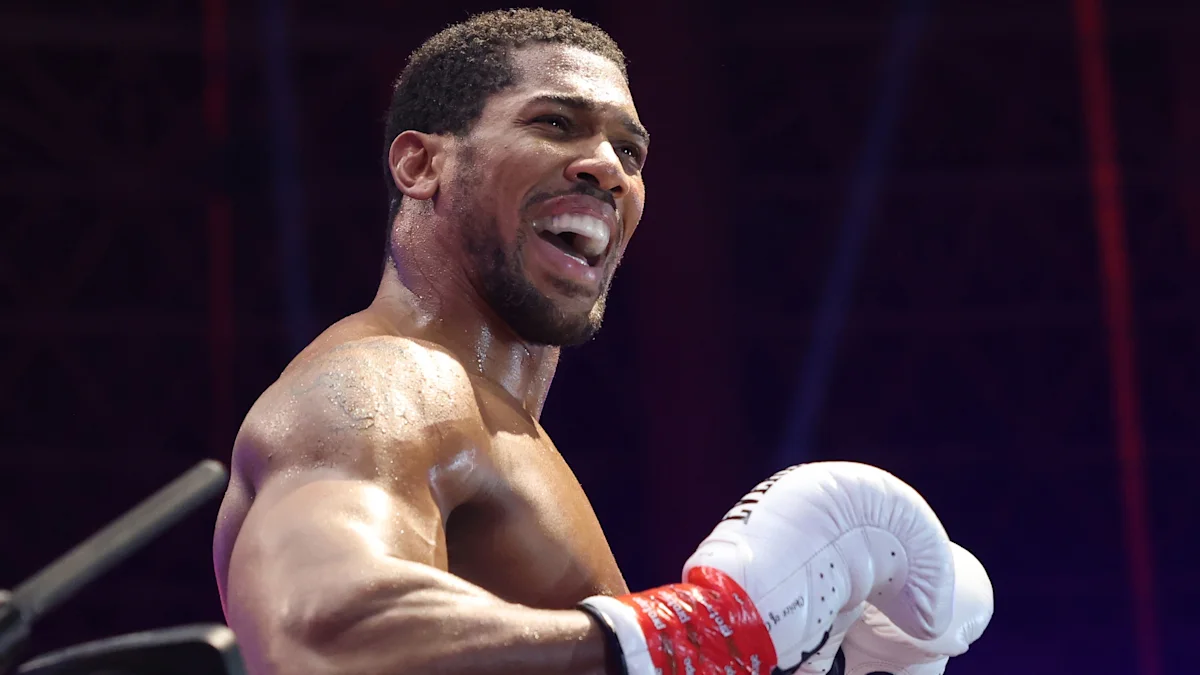
But the highly anticipated announcement on Thursday—that Tyson Fury and Anthony Joshua will finally face off on December 11 in Cardiff, UK—was met with surprising positivity. This warm reception genuinely caught me off guard.
That day felt different, reminiscent of those moments I’ve mentioned more times than I care to admit, when my inbox suddenly floods with messages from casual fans who don’t usually follow boxing closely—people who check in just once a year, like me with the NFL’s Super Bowl. Old school friends, members of the football chat group, even my barista chimed in unprompted on what’s being called boxing’s “Battle of Britain,” complete with foam art.
Sure, the word “finally” dominated those conversations, but beyond that was a shared sense of relief, a “better late than never,” signaling an end to the long-running Fury-Joshua debate.
Within the sport, fans have been worn down over nearly a decade by this endless drama—a soap opera without a season finale—until now. For me personally, Joshua’s rise marked the beginning of my journey into boxing journalism. In early 2012, the first piece I was paid for previewed his medal chances at the London Olympics. The rest is history—though far more illustrious for him than for me.
It’s been a long wait, with British boxing essentially held hostage by the promise of this fight—one that will shape this heavyweight era. Fury, 38, and Joshua, 36, are past their peak, with a combined 5-3 record since 2024. Those wins include bouts against former UFC heavyweight Francis Ngannou and YouTuber-turned-boxer Jake Paul.
Joshua suffered a knockout against Kristian Prenga, and Fury’s recent fight with Mariusz Wach took place in a Thai warehouse—a match only those present can attest to. Heavy losses to Oleksandr Usyk for Fury (twice) and Daniel Dubois for Joshua caused both to tumble down the heavyweight rankings, landing awkwardly on the same rung in 2026.
Have their careers ever truly overlapped? Throughout their time in the sport, they have been more like ships passing in the night—their primes never aligned. When Joshua first became heavyweight champion in 2016, peaking with a victory over Wladimir Klitschko, Fury was retired and battling depression while weighing 420 pounds.
When Fury claimed the WBC title from Deontay Wilder in 2020, Joshua was recovering from a devastating loss to Andy Ruiz Jr. and soon to face Usyk’s dominance twice.
If you strip away politics and noise, boxing is a fundamentally straightforward sport. Two heavyweights with a decade of intertwined history, from opposite sides of the same city—an accessible story for casual fans. My barista doesn’t have the heavyweight rankings pinned near the coffee options, and the guy I knew as “Little Jimmy” doesn’t care about Fury’s footwork or Joshua’s punch resistance.
Perhaps that’s the most grounding point: at its core, boxing is just two people in a ring, trying to land punches on each other. Sometimes, that simplistic appeal is enough.
Whether the Fury vs. Joshua clash turns out to be a memorable heavyweight showdown remains uncertain. Debates about rankings, “who’d win five years ago,” tactical analyses, or the odd situation with the WBA “Super” heavyweight title are stories for diehard fans like us, who have built careers, hobbies, and identities around this sport.
But the audience this fight is really for? They don’t care about any of that. And honestly, come December 11 in Cardiff, for one night, I may not either.
Fan Take: This fight matters because it finally brings closure to one of the longest-standing heavyweight rivalries, giving casual and hardcore boxing fans alike a chance to witness a defining moment. Regardless of the outcome, Fury vs. Joshua could reinvigorate the sport’s heavyweight division, attracting fresh attention and laying the groundwork for future rivalries.
Source: sports.yahoo.com