

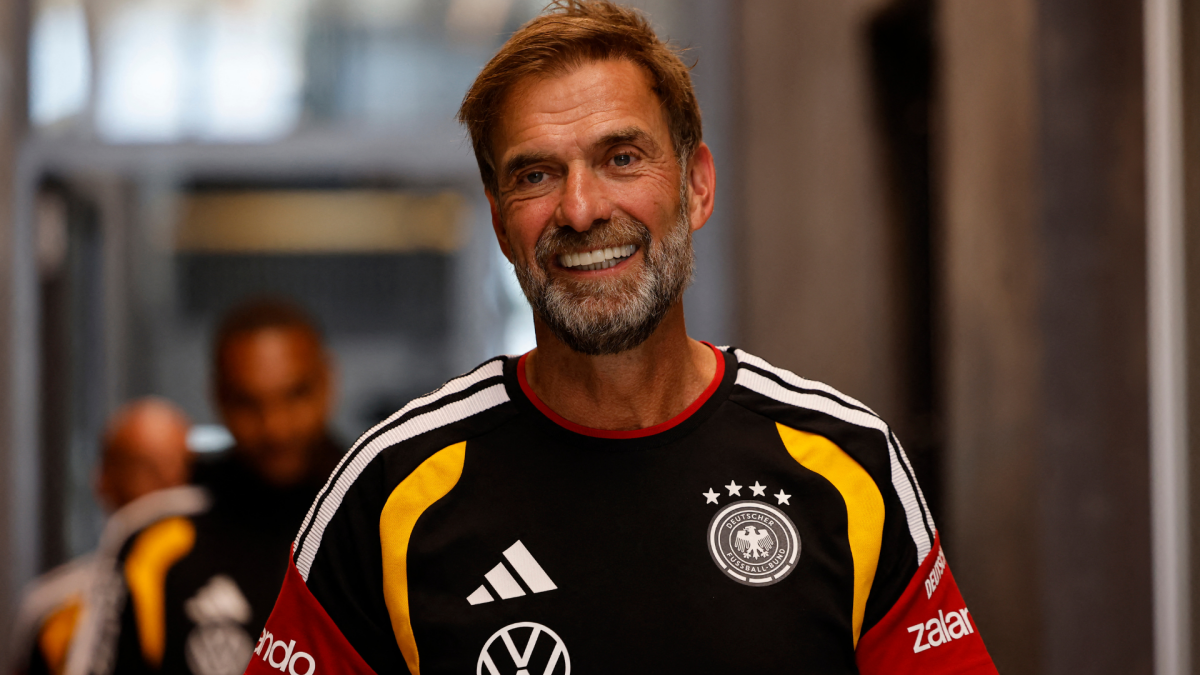
After experiencing three consecutive World Cup failures that saw them not progress beyond the group stage since their 2014 victory, the German national team is entering a new chapter with Jurgen Klopp as their coach. Klopp, who left his managerial position at Liverpool in 2024 for a mental break, had always been viewed as a future leader for the national squad. Following a stint with Red Bull overseeing their global soccer initiatives, he has now taken charge and is already making significant changes during his first international break, calling up 44 players for UEFA Nations League matches against the Netherlands, Serbia, and Greece.
In his debut match, Germany managed a 1-1 draw against the Netherlands, opening the scoring but ultimately falling behind in possession and chances created, conceding an xG of 3. The injury to Kai Havertz further underscored the substantial challenges ahead for Klopp. While he is a coach of great renown, transforming the national team will demand much more than his mere presence; his decision to summon such a large squad reflects this pressing need for evaluation and improvement.
Klopp’s focus on younger talent aligns with trends in Bundesliga, where nurturing youth is critical. However, currently, only eight of the 18 top-flight teams are allocating above 30% of their total minutes to German players, and some historically successful academies are underperforming in this regard. Conversely, Stuttgart is leading the pack, with 80.9% of their minutes going to German players, showcasing the importance of youth development.
One club benefiting from this focus on local talent is RB Leipzig, which has increased its percentage of German players under the direction of David Wagner, who was brought in by Klopp during his time at Red Bull. Wagner has emphasized the need for individual development, drawing inspiration from the English youth system, which has shifted its priorities to focus on players’ growth rather than strict competition. He’s advocated for fewer restrictions in coaching, arguing that young players need game time to develop fully.
To facilitate this, Germany is introducing a new U21 competition to provide more match opportunities for young players, contrasting with the current structure that often sees Bundesliga second teams relegated to lower-tier competitions. Leipzig has also initiated its own youth competition, aiming to allow their U19 team to face tougher opponents and increase their playing time significantly. This emphasis on repeated exposure and high-level competition is anticipated to boost player development over time.
The financial landscape has shifted, as English clubs have become more aggressive in signing young talent, creating challenges for German teams. Clubs like RB Leipzig have to balance their own expenditures; for instance, selling players like Yan Diomande to Real Madrid for substantial fees can financially stabilize them. With Premier League teams increasingly focused on securing German talent, German clubs must concentrate on their local talent pipelines to keep up.
In conclusion, addressing the development issues and producing more homegrown talent is essential not just for clubs but also for the success of the national team. If Leipzig’s shifts bring about consistency in nurturing young players, it could reshape the competitive landscape of both the Bundesliga and German national soccer.
Fan Take: This news is significant because it marks a pivotal moment for German soccer, channeling fresh energy and innovative approaches under Klopp. The focus on youth development not only has the potential to restore Germany’s status in international circles but also excites fans about the future stars that may arise from this new strategy.
Source: www.cbssports.com