
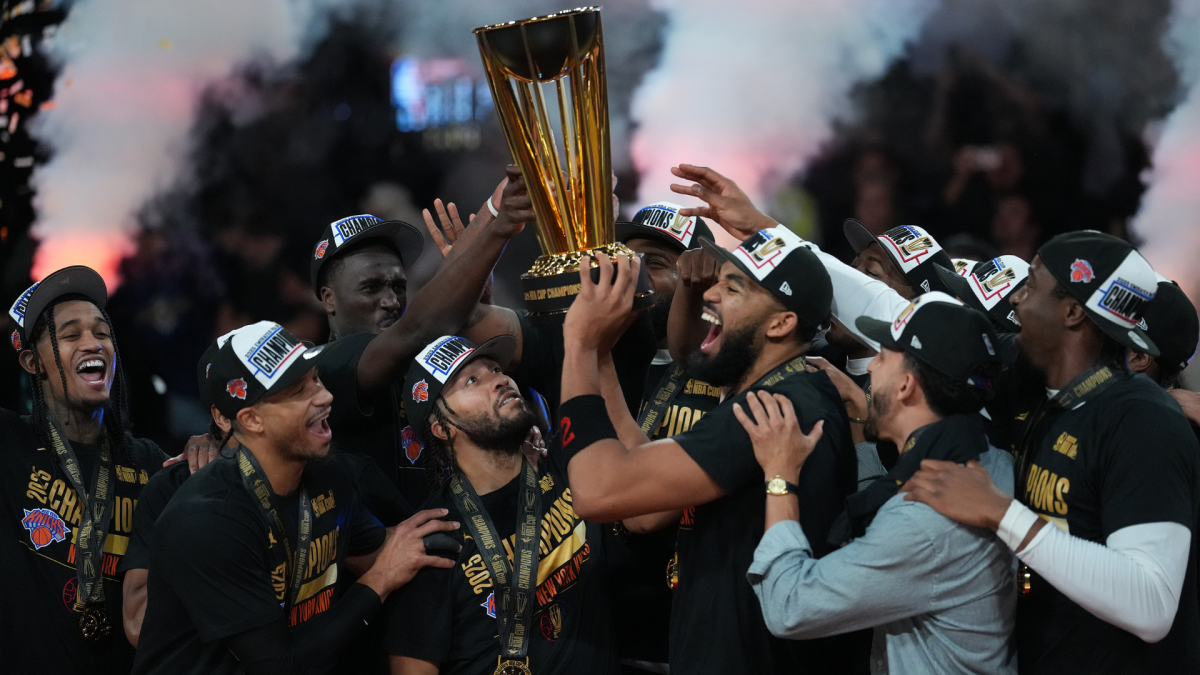
The third NBA Cup concluded on Tuesday with the New York Knicks joining the Milwaukee Bucks and Los Angeles Lakers as champions. Although the San Antonio Spurs narrowly missed the title, they still earned over $200,000 as the runners-up. As the season progresses, teams are now shifting their focus to the more prestigious June Champions Trophy rather than the December NBA Cup.
While the NBA Cup doesn’t carry the same weight as the Larry O’Brien Trophy, its purpose as an in-season tournament is to add excitement early on and provide teams with something additional to compete for besides the playoffs. But has it succeeded? Let’s explore what’s worked and what hasn’t in the three years since the NBA Cup’s inception.
What’s working: Elimination games have proven to be a key success. The intense, winner-take-all format consistently generates excitement, similar to the drama seen in the NBA play-in tournament. The Cup often serves as a platform for young teams, like the Pacers in 2023 and the Rockets recently, helping them gain playoff-like experience and visibility among fans. This simulation of playoff pressure for inexperienced teams is a major benefit and should remain central to the event.
What’s not working: The tournament structure itself leaves much to be desired. The group stage has failed to resonate, feeling arbitrary to fans who don’t understand group assignments or game importance variability. The inconsistent scheduling, with games scattered over different days, makes it difficult for casual fans to follow or prioritize the tournament. A potential fix would be a fully dedicated single-elimination tournament, ideally with 32 teams to fit a knockout format and clear playoff implications—perhaps even involving expansion teams or foreign participants.
Another issue is the lack of tangible rewards in season standings for the Cup champion. Teams like the Spurs and Knicks must play extra games without gaining any standings advantage, which could disadvantage them later in the season. Giving the Cup winner at least a win in the regular-season standings would add significance and encourage fans to take the tournament seriously.
What’s working: Financial incentives have proven effective in motivating players. Contrary to early doubts, players are competitive when prize money is at stake, benefiting teammates and fostering team unity. This monetary motivation explains the high level of effort despite the Cup’s secondary status.
What’s problematic: The tournament’s Las Vegas venue posed challenges. Fans found it hard to travel on short notice, especially with holiday plans nearing, leading to a subpar game atmosphere. Recognizing this, the NBA plans to hold next year’s semifinals at home venues, and the final’s location is still under consideration.
What’s working: The NBA Cup’s trophy design enhances the event’s identity visually, with the trophy-inspired court logos creating a unique and memorable look for games. This aspect is highly effective and worth preserving.
What’s not working about the courts: The colorful courts in some arenas, including Las Vegas’s gold, were visually distracting and clashed with fan expectations for basketball aesthetics. Simplifying court colors while keeping the trophy branding would improve the viewing experience.
Fan Take: The NBA Cup represents an ambitious effort to innovate within the league’s season, offering a fresh competitive platform and spotlight for emerging teams. While the format needs refinement, the concept could deepen fan engagement and create new traditions in basketball, making the sport even more thrilling year-round.