
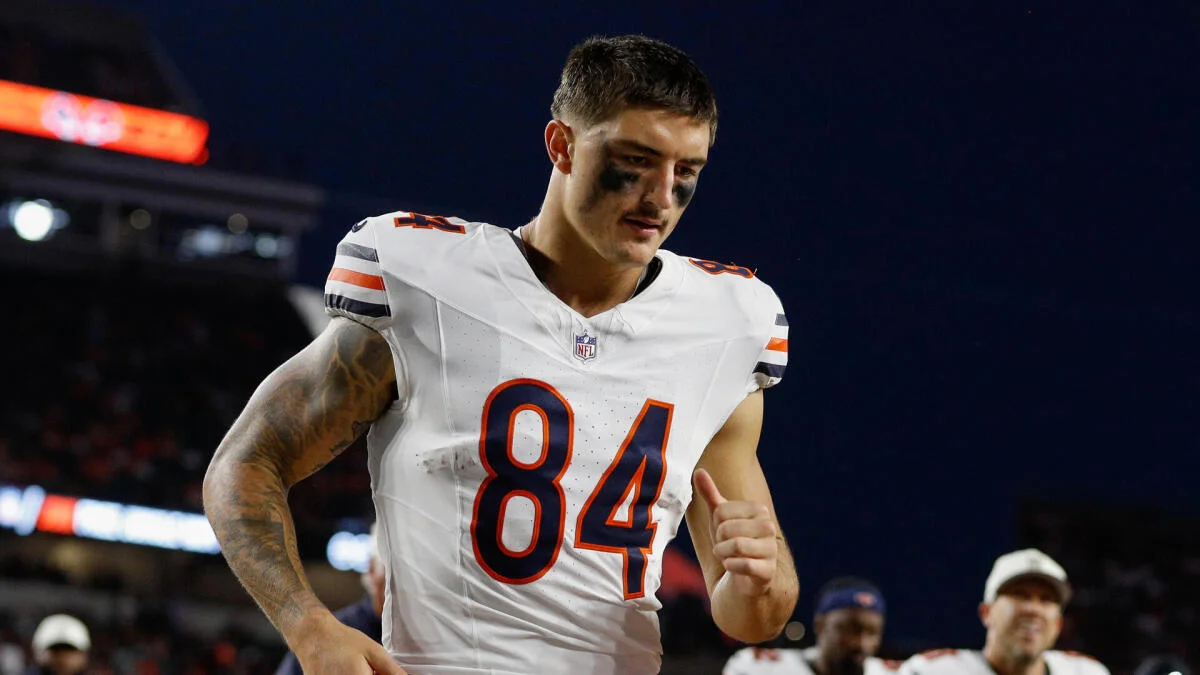
Colston Loveland’s quiet start isn’t hard to notice: the Bears scored just three points in one game, and Loveland has only one catch for three yards through two weeks after a Week 1 game with no receptions. That output is surprising given expectations — he’s already down near 76th among tight ends in receiving yards even though Chicago put up 59 points in the season opener — and it contrasts with a rookie season that ended strongly (he finished last year among the best in yards per route and produced 28 catches, 378 yards and two touchdowns in the final four games).
Why the drop? For starters, Loveland’s targets are scarce — just five through two games, 31st among TEs — and he’s not separating as well as he did as a rookie. His average separation fell from 3.7 yards in 2025 to about 2.1 yards in Weeks 1–2, which suggests defenses are scheming to limit him. Even on routes where he does get open, quarterback Caleb Williams hasn’t consistently delivered; Williams has often locked onto other receivers, scrambled, or been pressured before Loveland could be found.
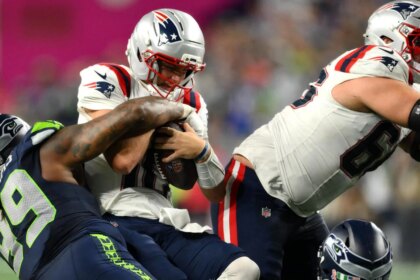
Against Minnesota in Week 2, the Bears leaned on Loveland as a pass protector more than usual. PFF tracked his pass-blocking rate as the highest it’s been since the second half of last season, a response to a Vikings defense that blitzed at an extreme rate — 75.3% of pass plays in their first two games (versus 46.6% for the next-most aggressive team). Chicago beefed up protection, but that decision backfired on the final play: needing a touchdown from the 12-yard line, the Bears kept Loveland in to block instead of sending him into the end zone, which removed a big receiving target and resulted in his man getting home for a sack of backup QB Tyson Bagent. That sequence is a clear reminder to the coaching staff that Loveland’s best value is often as a downfield weapon, not primarily as an in-line blocker.
Still, the Week 2 blocking spike looks like a game-plan response to an unusually aggressive opponent rather than a permanent role change. In Week 1 he ran a team-high 33 routes against Carolina, and across the two games he’s still the Bears’ most-used route-runner (61 routes), ahead of Rome Odunze (57), Luther Burden III (55), Kalif Raymond (53) and Cole Kmet (32). Two games is a tiny sample; with opportunities likely to open up again, Loveland could easily emerge as Chicago’s leading receiver over the course of the season. Kalif Raymond currently showing early production is probably just noise at this stage.
Fan take: This matters because Loveland’s development affects how defenses plan against the Bears and how effective Caleb Williams can be — if Loveland re-emerges as a consistent downfield threat, it could open the offense significantly. For the league, watching a high draft pick adjust in year two is a reminder that schematic adjustments and protection issues can quickly reshape a young player’s role and the trajectory of a team’s passing game.
Source: www.cbssports.com