Under Liberty Media’s ownership, MotoGP is increasingly focusing on enhancing fan engagement at race events, following a similar strategy seen in Formula 1 since the US company took over in 2017. While this approach aims to make races more entertaining for spectators, it has also led to mixed reactions from top riders. For example, several Formula 1 drivers, including Lewis Hamilton, voiced complaints at the British Grand Prix about a Lego karting event that replaced the usual driver parade, arguing that drivers were being asked to do more without additional pay. Despite the grumblings, the kart race was well-received by fans and participants alike, offering a more exciting alternative to the typical, lackluster driver wave.
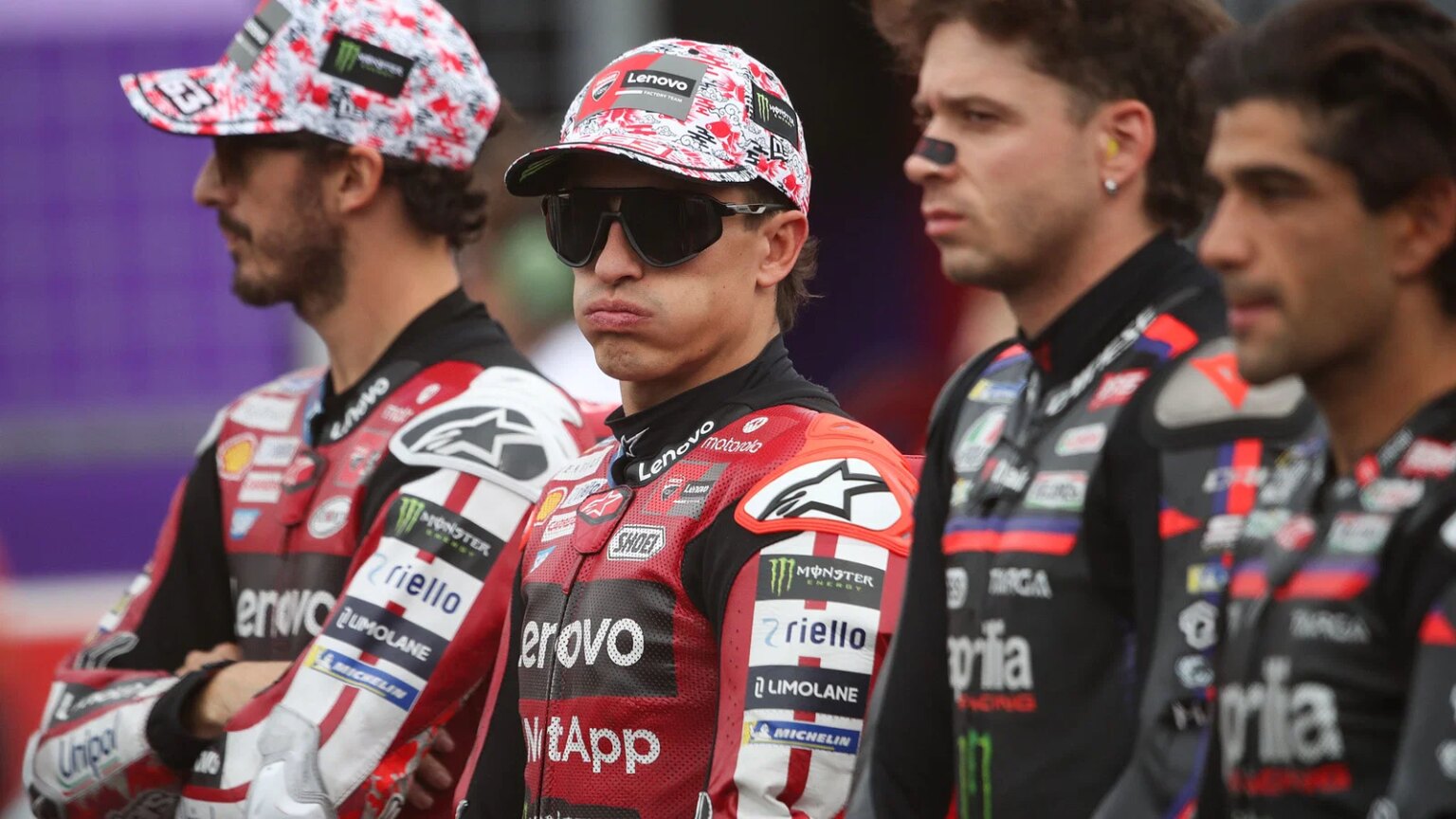
The MotoGP Japanese Grand Prix mirrored this fan-focused trend by organizing a pre-race karting contest featuring all riders at Motegi. This came on the heels of several successful promotional events earlier in the year, such as the Tuk Tuk race in Thailand. However, the Japanese event was overshadowed by Marc Marquez’s use of a stunt double during the warm-up session—a substitute effort Marquez admitted was a necessary compromise given his focus on the championship battle. Marquez explained that while he values showmanship, his priority must remain on racing and performance, especially as he manages a right arm impaired to about 50% capacity following a shoulder injury sustained last year.
Marquez has also skipped other fan events this season, including MotoGP’s Outernet event in London, citing that extended appearances could negatively affect his physical condition and racing performance. This stance highlights the ongoing tension between maximizing fan interaction and protecting rider health in an increasingly demanding race format. MotoGP weekends have grown more intense with sprint races, qualifying sessions, and expanding media commitments, leaving riders with limited influence over changes such as the recent push for more sprint races next season. The sport’s drive for fan engagement and social media content sometimes seems to come at the expense of rider well-being.
Despite these pressures, Marquez remains a critical figure in MotoGP’s growth ambitions. However, the sport must balance its business goals with a duty of care, ensuring the physical demands do not sideline key athletes permanently. Japan was a pivotal round for Marquez and Ducati in the 2026 championship, and his double victory there has brought him just two points shy of leader Jorge Martin. The upcoming Indonesian GP at Mandalika, where Marquez has never finished a race, will be crucial for the title fight, especially as Martin’s strong form poses a significant challenge.
Marquez’s comeback from a 102-point deficit this season, overcoming injuries and adapting his riding style, underscores his determination and talent. An eighth world championship would greatly enhance his legacy, and given his physical struggles and the rising competition, this might be his last prime chance to claim the title. Considering the stakes, it’s understandable he would forego some PR activities like the kart race to conserve energy for race day. For fans of Marquez, his recent victories hold far more significance than participating in pre-race entertainment.
Fan Take: This story matters because it reveals the delicate balance between fan engagement and athlete welfare in modern motorsport. As MotoGP evolves to attract bigger audiences, respecting riders’ physical limits while delivering exciting content will be crucial to maintaining the sport’s competitive integrity and long-term appeal.
Source: www.crash.net