Reflecting on Football in 2025
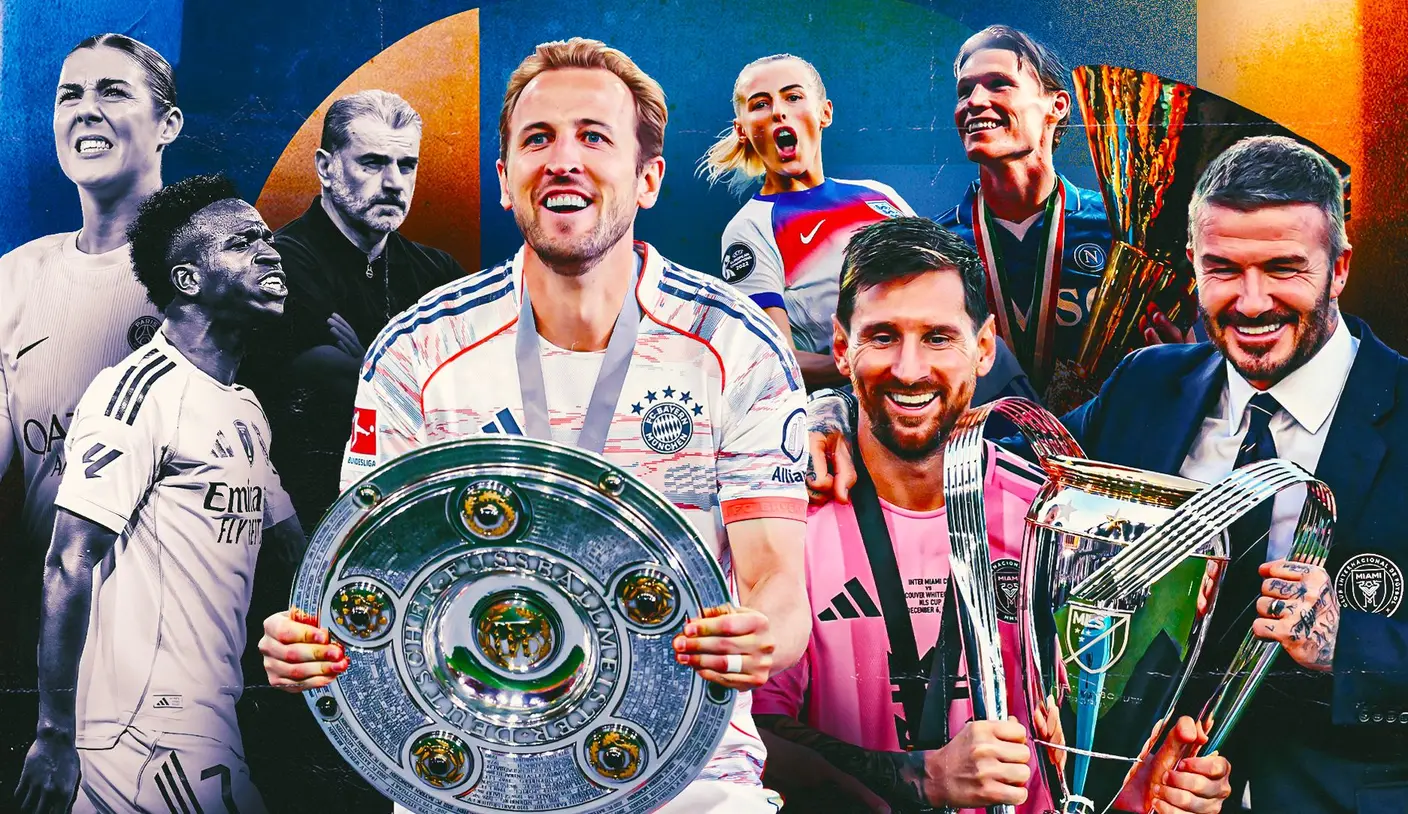
As New Year’s Eve draws near, the football world prepares to say goodbye to 2025, a year marked by significant moments for players, coaches, and clubs. Notably, Paris Saint-Germain finally captured the Champions League title they desired for so long, a successful move that reflects their strategic shift from acquiring superstars to investing heavily in young talent.
Barcelona faced disappointment, missing out on the Champions League finals after a semi-final loss to Inter. Yet, the Catalan club has made strides to reclaim their former glory, thanks to the exceptional performances of talents like Lamine Yamal and tactical changes led by Hansi Flick. Meanwhile, Flamengo dominated both Brazilian and South American football, Lionel Messi made his mark in MLS, and England’s women’s team showcased resilience in defending their European title.
Liverpool celebrated a historic 20th English Championship, while Bayern Munich reestablished their reputation in Germany after a rough 2024. Antonio Conte brought Napoli to new heights, securing their fourth Scudetto, highlighting a mix of both joyous and challenging narratives throughout the year.
Despite the mixture of highlights and setbacks, a key question remains: who emerged as the year’s biggest victors and losers in the men’s and women’s games?
Shortly after Bayern Munich clinched the Bundesliga title on May 4, Harry Kane shared a trophy emoji on Instagram, signaling the end of a long wait for glory. The England captain expressed tremendous joy and relief, mentioning the hard work and dedication from the entire Bayern squad. Kane’s goal-scoring prowess was crucial for Bayern, with 26 goals in 31 games, and his confidence has only skyrocketed, as the team looks capable of competing for more titles.
Kane was one of many players who finally ended personal droughts in 2025. Newcastle won their first domestic trophy in 70 years, defeating Liverpool in the Carabao Cup, while Crystal Palace stunned Manchester City for their first-ever trophy, amplifying the joy and emotional stories throughout the footballing landscape. In Belgium, Union Saint-Gilloise won their first domestic title in 90 years, and Bologna emerged victorious in the Coppa Italia for the first time since 1974.
While some clubs celebrated triumphs, others grappled with turmoil. Italy faced challenges in their World Cup qualification journey, leaving many with lingering doubts. Gennaro Gattuso, frustrated by the qualification process, noted that despite scoring 18 points over six games, they still required playoff games to secure their position in the finals.
Cristiano Ronaldo experienced a resurgence as Portugal triumphed in the UEFA Nations League, reigniting curiosity about his World Cup aspirations. However, Vinicius Jr. faced setbacks, struggling for form despite high expectations. Similarly, Alexander Isak’s transfer to Liverpool highlighted the stress of high-profile signings as critics pointed to his struggles on the pitch.
Fans marveled at the growth of set-piece specialists, with Arsenal reaping the benefits of their newfound strategies. Ajax’s collapse in the title race resulted in a significant managerial shakeup, while players like Scott McTominay revived their careers elsewhere after leaving Manchester United.
Amidst both highs and lows, flourishing football continues to rally fans around shared experiences. The emotional weight of the international competitions generated intense drama and passion. Football connects communities across the globe, solidifying its status as the world’s game.
Fan Take
This reflection on 2025 serves as a reminder of the ever-changing dynamics in football and highlights the importance of resilience and adaptability, both for players and teams. As fans, we witness a continual evolution in the sport that enriches our passion for the game while highlighting its profound impact on communities worldwide.