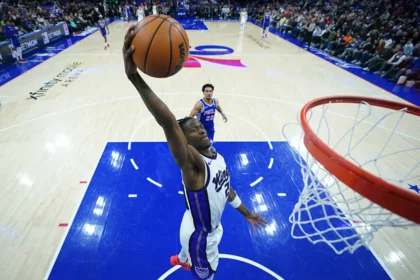

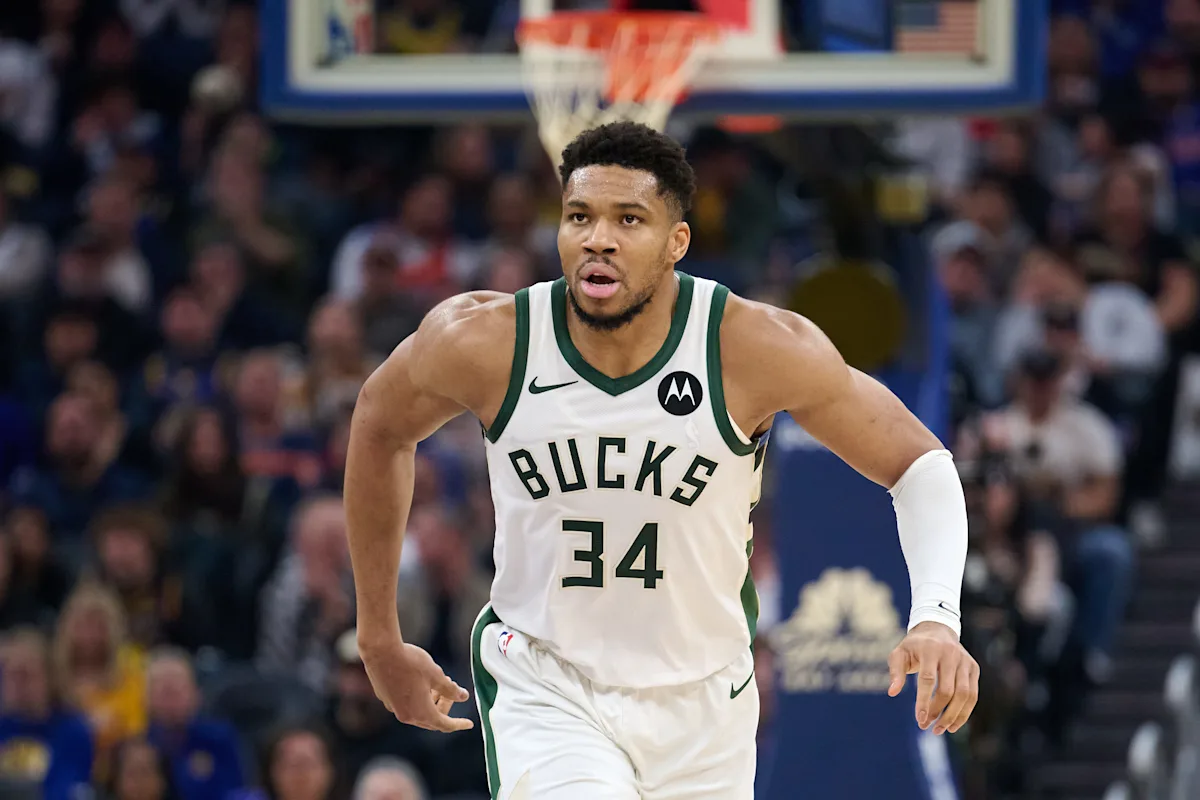
Giannis Antetokounmpo, Anthony Davis, and Ja Morant are shaping up as the top trade targets leading up to the 2026 NBA trade deadline. However, all three stars are currently sidelined with injuries that will keep them out beyond the February 5 deadline, complicating potential deals. While each player is expected to return to peak form eventually, their injury histories vary in complexity, raising concerns among prospective teams about the risks involved in trading for stars who have already missed 63 games this season. This situation also increases the challenge of figuring out what assets teams would need to offer to acquire these high-profile players.
These factors suggest the trade market could slow down significantly, making this deadline less eventful compared to last year’s, which saw major players like Luka Doncic, Jimmy Butler, De’Aaron Fox, and Brandon Ingram switching teams. The entire trade scene seems to be in a holding pattern as teams wait for clarity on Antetokounmpo, the two-time MVP and the most valuable asset available.
Antetokounmpo hasn’t officially requested a trade, and the Milwaukee Bucks have been hesitant to trade their franchise cornerstone. Nevertheless, the 31-year-old has expressed frustration, recently criticizing the team’s style of play as “selfish” and emphasizing his desire to compete for titles. Given the Bucks’ disappointing 18-26 record, this season looks increasingly lost, and Antetokounmpo’s recent injury knocks out the possibility of him being a trade buyer before the deadline. With just one year left on his contract and a player option for the 2027-28 season that he might decline, the Bucks may eventually accept that a fresh start is best for everyone.
If Milwaukee suspects Antetokounmpo might leave in 2027, they could try to salvage assets for rebuilding by trading him now, which would make sense strategically. However, teams will have more salary cap space and draft capital to pursue Giannis in the offseason, so patience could be the wiser approach for the Bucks. Meanwhile, with halfway through the season and Giannis still sidelined indefinitely, teams interested in him face a tough decision — acquiring a player of his caliber mid-season demands significant changes in play style and operations, which is a risk.
Additionally, trading Giannis during the season might require a complex, multi-team deal and a considerable adjustment period for the acquiring team, possibly causing further hesitation around trade activity. The Dallas Mavericks have also shown reluctance to move Anthony Davis — a key figure in the Luka Doncic trade — especially with the team still competing in the play-in race without Kyrie Irving. Davis, who turns 33 this March and has ongoing injury concerns, can be impactful when healthy, giving Dallas reason to hold on to him as they push for the playoffs.
As for Ja Morant, his diminished trade value means the Memphis Grizzlies are likely grappling with a subdued market for his services. While these dynamics could shift quickly—if the Bucks lean into a rebuild, the Mavericks seek youth in exchange for Davis, or the Grizzlies part ways with Morant—the current atmosphere points toward a quieter trade deadline. Role players such as Jonathan Kuminga, Michael Porter Jr., Coby White, and Domantas Sabonis are more likely to find new teams before any blockbuster moves occur.
In summary, while there is much speculation surrounding the futures of Antetokounmpo, Davis, and Morant, the reality may be that no major moves happen before the February 5 deadline.
Fan Take: This situation highlights how injuries and contract situations can stall even the most anticipated trade deadlines, reminding basketball fans that team-building is a complex process with high stakes. Depending on how things unfold, this could mark a shift in how teams approach star player trades midseason, potentially reshaping the NBA’s competitive landscape in the years to come.